REVIEW · PHUKET
Unique Thai Cooking Experience in Patong with Chef Care
Book on Viator →Operated by Care · Bookable on Viator
Spice starts before you touch the stove. This Patong class with Chef Care is built around a local market tour, so you shop the ingredients, learn the spices, then cook a real Thai meal in a bright studio with just your group. It’s hands-on, not a show, and the pacing keeps you busy in a good way.
I love the two-for-one setup: you get both the market tour experience and the four dishes you cook and eat. I also like how flexible Care is—when you share allergies or dietary needs, the class can be adjusted. One consideration: this is a compact, full-on 4-hour session, so if you prefer a slow, sit-and-watch style, you may find it moves fast.
In This Review
- Key Highlights You’ll Care About in Patong
- Entering Chef Care’s Thai Cooking Studio in Patong
- The Market Tour: Where You Learn What Makes Thai Food Work
- Your Cooking Start: Lemongrass Tea and Ingredient Teach-Through
- Cooking Four Thai Specialties (And Actually Eating Them)
- 1) Tom Yum Goong (Spicy Thai Herb Soup with Shrimp)
- 2) Gang Massaman Ghai (Massaman Curry with Chicken)
- 3) Pad Thai Goong (Stir-Fried Rice Noodles with Shrimp)
- 4) Khao Neaw Ma Muang (Mango with Sticky Rice)
- Small-Group Cooking: Max 4 Students, Private Group Feel
- Dietary Restrictions and Allergies: Tell Chef Care Early
- What You Bring Home: The Thai Cooking Set Plus Real Skills
- Getting There in Patong: Keeping It Easy From Start to Finish
- Price and Value: What $81.49 Buys You
- Who This Class Is Best For (And Who Might Want Another Option)
- Should You Book Chef Care in Patong?
- FAQ
- FAQ
- How long is the Thai cooking class in Patong?
- What dishes will I cook during the class?
- Is this a small-group class?
- Do you include a market tour?
- Is the class private for my group?
- Can you accommodate dietary restrictions or allergies?
- Is pickup or transfer available in Patong?
- What do I receive at the end of the class?
- Where is the meeting point?
Key Highlights You’ll Care About in Patong
- Fresh market first: Taste fruits and snacks, then pick ingredients for your meal
- Max 4 students: Intimate setup means you’re actively cooking, not waiting
- Four-course cooking: Tom Yum Goong, Massaman Curry, Pad Thai, and Mango Sticky Rice
- Allergy-aware prep: Tell Care ahead of time so your dishes can be handled separately
- Lemongrass tea welcome: A sweet, fragrant start before you cook
- Take-home cooking kit: A Thai cooking set (herbal curry paste and seasoning) for your next meal
Entering Chef Care’s Thai Cooking Studio in Patong
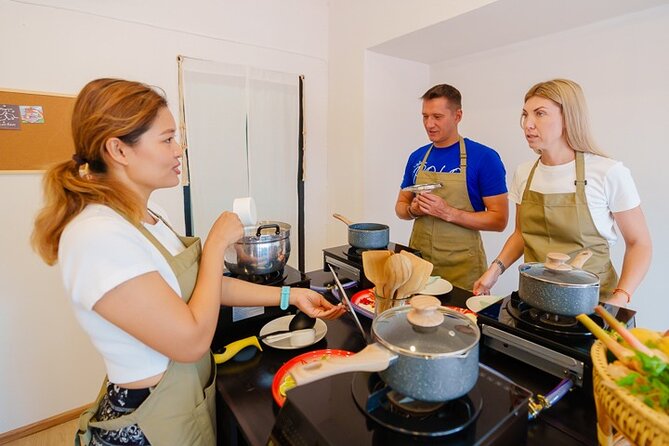
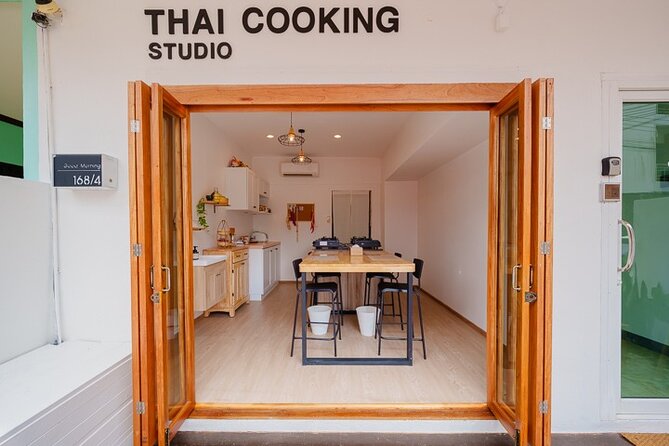
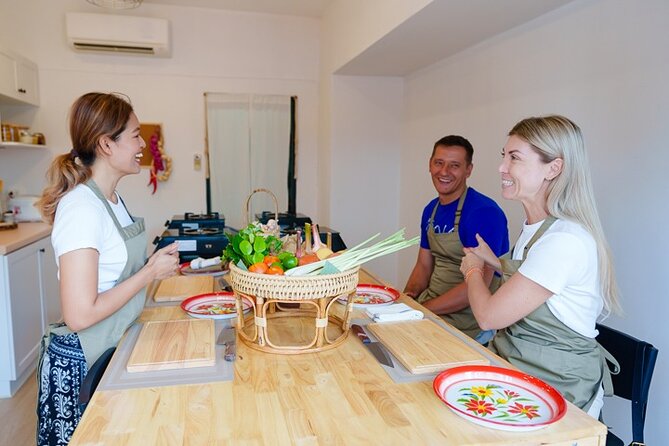
Patong can feel hectic, but this experience has a calmer rhythm the moment you arrive. The studio is in Phuket’s Patong area (meeting point is Thai cooking studio Phuket, 168 Tambon Patong, Amphoe Kathu, Chang Wat Phuket 83150). From there, you move into a small-group format that makes everything feel personal.
You’ll start the day with the chef’s plan in place: a welcome drink, an ingredient rundown, and then real cooking with guidance. The vibe stays practical. There’s no need to be a confident cook beforehand. What you need is attention—Thai food rewards small technique details, and the class is designed around that.
If you’re traveling with a group of up to 4, it’s one of the easier ways to do a shared activity where everyone matters. In fact, this is set up as a private-group experience, so you’re not stuck sharing the kitchen with strangers.
You can also read our reviews of more cooking classes in Phuket
The Market Tour: Where You Learn What Makes Thai Food Work
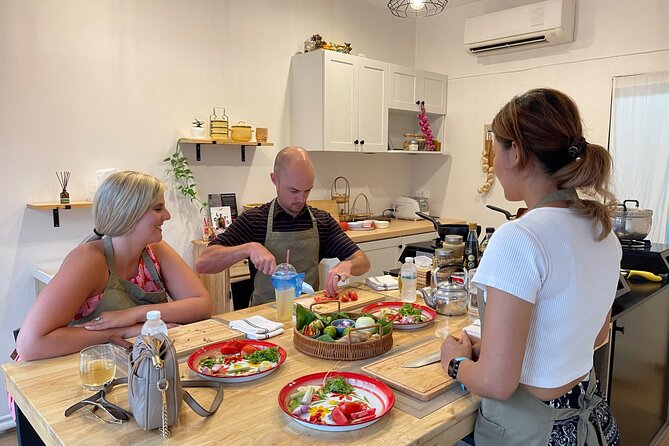
The day starts with a local fresh market tour. This isn’t just a photo stop. You go to shop for the ingredients you’ll cook later, and along the way you’ll get chances to taste Thai fruit, plus dessert and snack items.
What I like about the market part is that it gives you context. You’re not memorizing a recipe. You’re learning what ingredients do in Thai cooking—how herbs smell different from dried spices, what “fresh” means for aromatics, and why some flavors come from spice pastes rather than powder alone.
You’ll also get a short “what to buy and why” feel for spices and produce. After the market, you head back to the studio to cook with the exact ingredients you selected. That connection between shopping and cooking is what makes the class stick, especially if you want to cook Thai food at home later.
A small note for your schedule: since the class is about 4 hours total, the market portion is efficient. It’s not half-day wandering. Expect a focused tour and then straight into the kitchen.
Your Cooking Start: Lemongrass Tea and Ingredient Teach-Through
Before you cook, you’ll be served a welcome drink: lemongrass tea with honey. It’s a gentle, fragrant reset. It also hints at the style of the morning—Thai flavors that balance sweet, sour, herbal, and spicy, instead of leaning on heat alone.
Then Chef Care introduces the main ingredients you’ll use—vegetables, spices, and herbs. This matters because Thai dishes often rely on layers. If you only taste one ingredient, the dish can seem simple. But once you know which herb brightens the finish or which paste carries depth, the whole meal makes sense.
Even if you’re not the type to take notes, I’d recommend mentally tagging the key items: the herb that smells sharp, the spice paste that looks like paste but behaves like a base, and the aromatics that keep reappearing across dishes.
Cooking Four Thai Specialties (And Actually Eating Them)
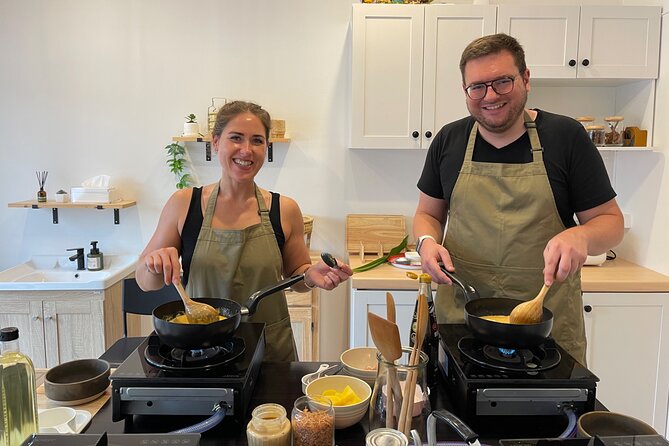
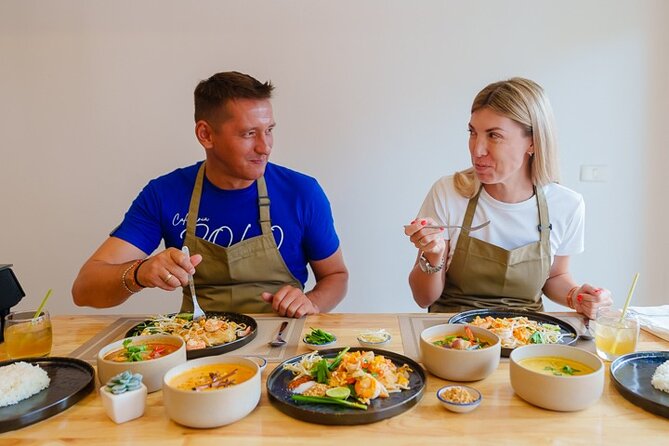
This is the core value: you cook four authentic dishes and then eat what you make. With a maximum of 4 students, you’re working at the stove instead of spectating.
Here’s what’s on the menu:
1) Tom Yum Goong (Spicy Thai Herb Soup with Shrimp)
Tom Yum is the classic test dish for Thai flavor. You learn how the herbs and aromatics create that sharp, lifted taste, and how the “spicy” comes across as more than just chili heat.
What to watch for: the timing. Soups like this depend on getting the balance right—too aggressive with boiling, and you lose subtle herb notes; too gentle, and flavors don’t bloom. Your chef’s step-by-step approach helps you hit that sweet spot.





2) Gang Massaman Ghai (Massaman Curry with Chicken)
Massaman curry is comfort food with a Thai accent. It’s known for deeper warmth—often nutty, gently spiced, and richly fragrant. This dish is where you’ll appreciate the role of curry pastes and simmering.
If you’ve ever made curry at home and wondered why yours tastes less “rounded,” pay attention here. Massaman tends to rely on how the paste cooks and the way flavors meld as it simmers.
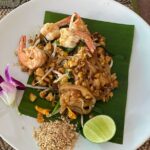
3) Pad Thai Goong (Stir-Fried Rice Noodles with Shrimp)
Pad Thai can be either a miracle or a mess, depending on technique. In class, you’re guided through the key moves so the noodles don’t get stuck, clumpy, or bland.
I like that this dish is practical: once you understand how sauce and noodles work together, it becomes a home-cook staple you can repeat. And shrimp adds a sweet, ocean-friendly flavor that keeps the dish from tasting too sour or too heavy.
4) Khao Neaw Ma Muang (Mango with Sticky Rice)
Dessert is not an afterthought here. You’ll make mango with sticky rice, which means you experience Thai sweetness in a way that doesn’t just feel like sugar. It’s about texture and balance—sticky rice with coconut-style richness paired with ripe mango.
This last dish is also the “okay, now I get it” moment for many people. Thai desserts often feel less sugary than Western desserts, and sticky rice helps bridge that difference.
After each item, you actually eat your own cooking. It’s a big deal for value. You’re not just learning technique; you’re sampling the results immediately.
Small-Group Cooking: Max 4 Students, Private Group Feel
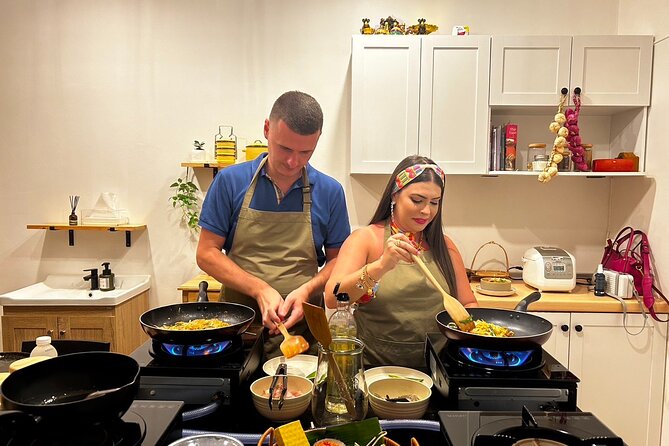
One of the most praised parts is the size. The class is intentionally small, with a maximum of 4 students (and a maximum of 5 travelers). That setup changes the entire experience.
Instead of crowding around one station, you get your own work rhythm. You can ask questions without feeling like you’re holding up the line. And you can adjust to your own pace—especially if your dish needs a quick tweak.
This is also where customization comes in. If you want spice level adjusted, you can tell Care. Since Thai cooking often spans mild to fiery, being able to steer the heat is the difference between a great meal and one you can barely eat.
If you’re cooking with a friend or a small family group, it’s a nice mix of shared time and individual hands-on effort. You won’t feel lost, and you won’t feel rushed.
Dietary Restrictions and Allergies: Tell Chef Care Early
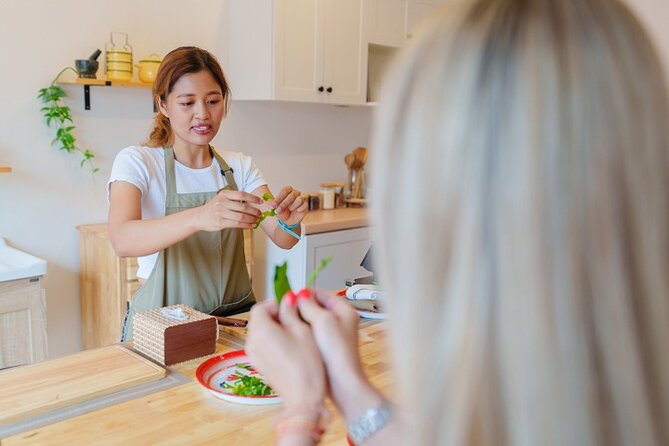
Thai food is flexible, but allergies require specific handling. The good news is that Chef Care can cater to dietary restrictions and allergies, as long as you let her know ahead of time.
What I’d do in your shoes:
- Share allergies and dietary needs clearly when booking
- Mention what ingredient triggers you, not just the dish name
- If you have a strong preference (like seafood love but shellfish avoidance), spell it out
The class can prepare separate sets where needed. That’s exactly what you want in a cooking class: you get to participate without guessing whether your version is safe.
What You Bring Home: The Thai Cooking Set Plus Real Skills
You finish the class with more than a full stomach. You’ll receive a souvenir: a Thai cooking set, including herbal curry paste and seasoning. It’s meant for cooking Thai food at home, so you can recreate flavors without starting from scratch.
This part is a smart value add. Most cooking classes teach technique but don’t help you replace the hard-to-find ingredients. Here, you’re leaving with some core components that match what you learned in the kitchen.
Practical tip: when you get home, keep the set labeled and store it properly. Curry paste and seasonings can lose potency if exposed to heat or air. If you treat it like cooking armor, you’ll actually use it.
Getting There in Patong: Keeping It Easy From Start to Finish
This is one of the more convenient Patong activities. A free transfer in the Patong area is available, which can take the hassle out of getting to the studio. That matters when you’re on Phuket time—traffic, parking, and heat can turn a short activity into a tiring errand.
The session ends back at the meeting point, so you’re not stuck figuring out where to go after cooking. If you’re staying outside central Patong, confirm transfer coverage early so you’re not surprised.
And yes, it’s worth planning your morning so you can enjoy the whole 4 hours without rushing. You’ll snack at the market, then cook, then eat the meal. Bring an appetite.
Price and Value: What $81.49 Buys You
At $81.49 per person, the price lands in the mid-range for Phuket cooking classes—but the value is in what’s included and how much hands-on time you get.
You’re paying for:
- A local market tour to shop ingredients and taste items
- A small-group cooking format (max 4 students)
- Instruction through cooking four dishes
- A welcome drink (lemongrass tea with honey)
- A take-home Thai cooking set (herbal curry paste and seasoning)
For me, the biggest value driver is that you eat what you make. Many classes are more about tasting small samples. This one centers on full dish preparation. If you like Thai food and want to leave with both recipes and confidence, that’s a strong deal.
Also consider that allergy and dietary customization can cost time and effort for the chef. The class is structured to handle that, which is another reason the price feels fair.
Who This Class Is Best For (And Who Might Want Another Option)
This experience fits best if you:
- Love Thai food and want to cook it, not just watch it
- Prefer small groups and direct help while you cook
- Have dietary needs and want structured handling (tell Care in advance)
- Want a market-to-kitchen experience you can repeat at home later
You might choose something else if you:
- Want a large group party atmosphere (this is intentionally intimate)
- Prefer a longer, slow meal where you don’t cook as much
- Are only interested in one dish (here you’ll make four, and you’ll be busy)
Should You Book Chef Care in Patong?
I think this is a smart booking in Patong if you care about food and technique. The combination of market tour + four hands-on dishes + take-home paste and seasoning is exactly the kind of value that turns a vacation meal into a skill you can use later.
If you’re celebrating something, this style also works well because it’s personal and calm. And if you have allergies or dietary needs, this is one of the more reassuring options because the chef is set up to prepare accordingly.
If you want an efficient, authentic Thai-food experience without touristy distractions, I’d book it.
FAQ
FAQ
How long is the Thai cooking class in Patong?
The class runs for about 4 hours.
What dishes will I cook during the class?
You’ll cook four dishes: Tom Yum Goong (spicy Thai herb soup with shrimp), Gang Massaman Ghai (Massaman curry with chicken), Pad Thai Goong (stir-fried rice noodles with shrimp), and Khao Neaw Ma Muang (mango with sticky rice).
Is this a small-group class?
Yes. The class is limited to a maximum of 4 students, and the overall activity has a maximum of 5 travelers.
Do you include a market tour?
Yes. You’ll start with a local fresh market tour to shop for ingredients and taste items like Thai fruit, dessert, and snacks, then return to the studio to cook.
Is the class private for my group?
It’s offered as a private group experience, so you’ll cook with just your private group.
Can you accommodate dietary restrictions or allergies?
Yes. Dietary restrictions can be catered for if you let Chef Care know. If you have allergies, you should inform her so a separate set can be prepared.
Is pickup or transfer available in Patong?
Yes. Free transfer is available in the Patong area.
What do I receive at the end of the class?
You’ll enjoy the dishes you cook, and you’ll also receive a Thai cooking set as a souvenir, including herbal curry paste and seasoning.
Where is the meeting point?
The meeting point is Thai cooking studio Phuket, 168 Tambon Patong, Amphoe Kathu, Chang Wat Phuket 83150, Thailand, and the activity ends back at the meeting point.