REVIEW · PHUKET
Half-Day Phuket Easy Thai Cooking
Book on Viator →Operated by Phuket Easy Thai Cooking · Bookable on Viator
Cooking in Phuket starts with a market stop. What I like most is the hands-on format paired with a small group feel, so you actually get time at the stove (not just watching). I also love that you make key Thai foundations like curry paste from scratch, then turn them into popular dishes like Pad Thai and Massaman-style curries. One heads-up: the cooking space can feel a bit basic, and a couple rooms may run cool, so you might want to dress for that.
You pick a morning or afternoon slot, and the class lasts about 3–4 hours, with hotel pickup and drop-off included. In that time, you’ll shop for ingredients, learn what to choose and why, prep your food, cook multiple dishes in woks, and then eat what you cooked.
If you want a “Thailand in four hours” experience that teaches more than just recipes, this one fits. And if you’re traveling with someone who won’t cook, there’s an extra charge for non-cooking participants.
In This Review
- Key highlights worth waking up for
- Phuket Easy Thai Cooking: what you’re really paying for
- Hotel pickup and the half-day timing that keeps things stress-free
- The market stop: learn flavors by choosing ingredients
- Herb garden moments: where Thai aromas begin
- Hands-on cooking: curry paste, Pad Thai, and the classics
- Curry paste from scratch
- Pad Thai and noodle work
- Thai salads and curries (what you might make)
- Desserts that actually teach you something
- Eating your meal: lunch or dinner, and why it matters
- Group size: small class energy without feeling private
- What to expect from the kitchen setup (a fair warning)
- Who should book this Phuket cooking class?
- Value check: is $69 a good deal?
- Should you book this half-day Phuket cooking class?
- FAQ
- How long is the Half-Day Phuket Easy Thai Cooking class?
- Does the tour include hotel pickup and drop-off?
- What dishes will I learn to cook?
- Is there a morning and afternoon option?
- What is the group size?
- Is it free for children?
Key highlights worth waking up for
- Local market ingredient hunt before you cook, so flavors make sense
- Curry paste from scratch (the step most home cooks usually skip)
- Small class size limited to 10, with a maximum of 8 travelers on this activity
- Classic dishes like Pad Thai, plus Thai favorites that can include Tom Yum, green curry, and mango sticky rice
- Hotel pickup and drop-off so you don’t burn your half-day on logistics
- Take-home guidance like easy instructions and a recipe book (and sometimes boxes for leftovers)
Phuket Easy Thai Cooking: what you’re really paying for
At $69 for roughly half a day, the price makes sense because you’re not just buying a meal. You’re buying three things at once: transport, instruction, and ingredients you’ll use to cook and eat.
Most cooking classes in Phuket fall into two buckets: the ones that feel like a performance, or the ones that are mostly buying pre-made sauces. This one leans hard into learning. You’ll go to a market, practice prep, cook multiple dishes, and walk away with a recipe book so you can repeat the results at home.
You’ll also notice the “easy” part is real. The teaching style focuses on keeping steps manageable, including how to do the Thai classics without getting lost in complicated technique. That matters if you’re a beginner—or if you’re a good cook who just wants Thai flavors to come out right the first time.
You can also read our reviews of more cooking classes in Phuket
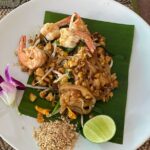
Hotel pickup and the half-day timing that keeps things stress-free
The class is designed around a short window: about 3–4 hours. You choose a morning or afternoon session, which is great if you’re trying to fit Phuket cooking into a busy itinerary.
With hotel pickup and drop-off included, you don’t have to figure out where the kitchen is or how to get there. That’s a big value add here because Phuket traffic and distance can chew up your time fast—half-day tours are where convenience pays back the quickest.
A small note for your planning: minimum numbers apply (at least 2 people per booking). So if you’re traveling solo, this may or may not run on your preferred day, depending on how bookings land.
The market stop: learn flavors by choosing ingredients
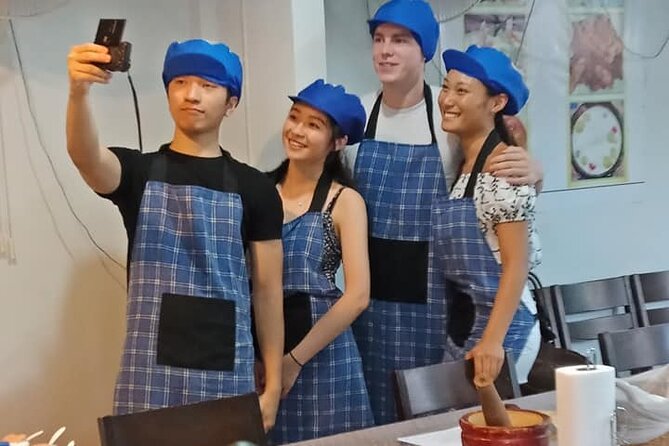
This experience starts in a market and turns “food shopping” into actual cooking education. You’re not just browsing—you’re learning what to look for in common Thai ingredients, how they work in dishes, and why certain choices affect the final taste.
Here’s what makes this more useful than a typical quick photo stop: the market visit sets up your cooking later. When you pick ingredients with guidance, the recipes stop feeling like a list of steps. You start understanding the logic: sweet, salty, sour, heat, and aromatics, and how Thai dishes build flavor quickly.
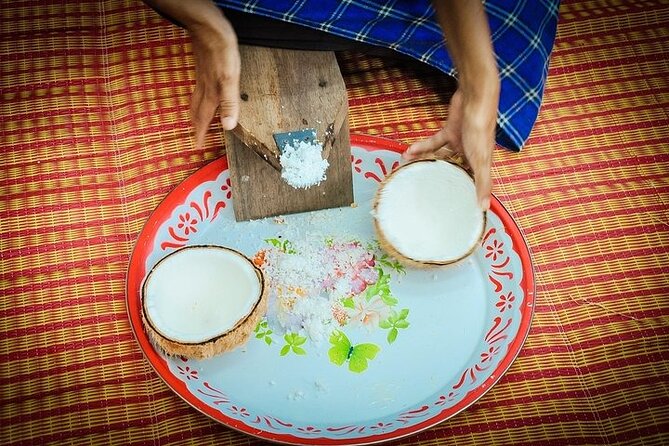
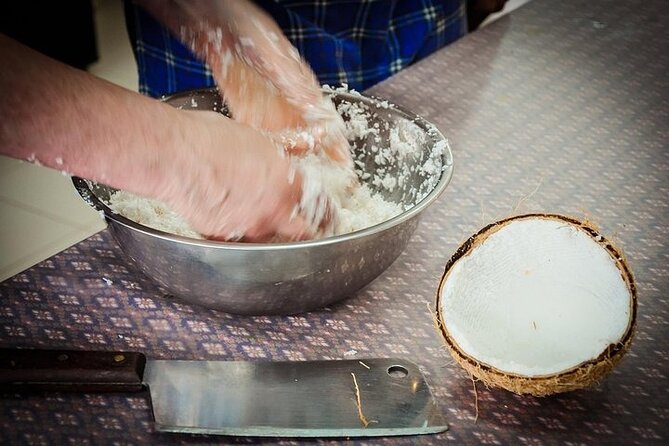
Some classes may also include an additional stop for items like coconut milk. Coconut milk is a major player in comfort Thai curries and desserts, and getting it fresh or understanding where it comes from helps you recreate the same texture at home.
If you care about food beyond the final dish, this market portion is one of the best ways to get smarter quickly without needing a food degree.
Herb garden moments: where Thai aromas begin
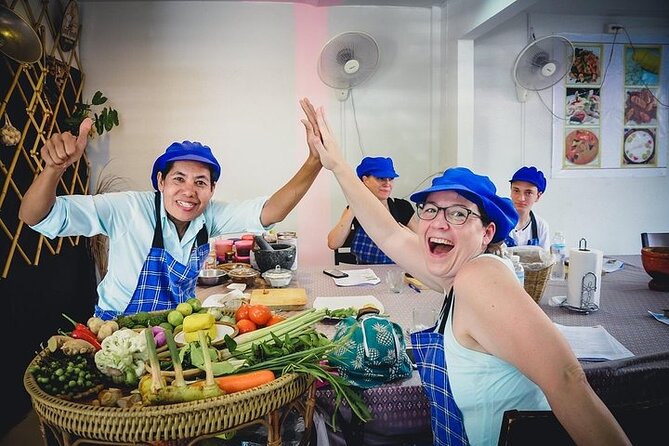
After the market, you’ll move into the cooking location—often tied to the teacher’s home area. In several experiences, you’ll see herbs and plants grown for cooking, and you may even pick some before you start.
That’s more than charming. Herbs in Thai cooking aren’t just garnish. They drive aroma. When you handle the ingredients and see what they look like fresh, you’ll recognize them later in your own kitchen.
Some classes also include extra cultural touches like making tea using blue flowers, with the color shifting as you add lime juice. These small moments help the day feel personal instead of rushed.
Hands-on cooking: curry paste, Pad Thai, and the classics
The core of this class is practical. You’ll cook in a way that’s fast and organized, usually with woks. You’ll get guidance, then you’ll do the steps yourself.
You can also read our reviews of more tours and experiences in Phuket
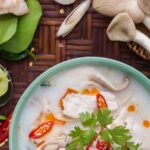


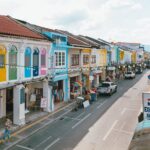
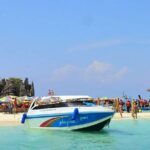
Curry paste from scratch
If you want one reason this class stands out, it’s curry paste from scratch. Reviews consistently point to this as a major highlight—because curry paste is where Thai flavor becomes Thai flavor.
You’ll learn the basics of creating the paste and then using it to build the dish. Once you understand that foundation, repeating curries later becomes much easier. It’s also a confidence boost: you realize you can handle the real work, not just assemble leftovers from a jar.
Pad Thai and noodle work
Pad Thai is often on the menu, and it’s the kind of dish that rewards correct balance. You’ll learn how to prep noodles and how to cook them so the flavors cling instead of getting bland or clumpy.
This is where the class earns its name easy Thai cooking. The instruction aims to simplify your approach without watering down the flavor.
Thai salads and curries (what you might make)
Depending on the class menu for your session, you may prepare classic dishes such as papaya salad and Massaman curry. Other popular options described include chicken satay, Panang curry with chicken, mango sticky rice, and dishes like Tom Yum, prawn soup, and green chicken curry.
The exact mix can vary by day, but the structure stays the same: market → prep → hands-on cooking of multiple dishes → eat together.
Desserts that actually teach you something
Mango sticky rice is commonly included, and it’s more than a sweet ending. Sticky rice and coconut sauce are all about texture and timing. Learning how it’s assembled helps you avoid the typical home mistakes like watery sauce or uneven sticky rice results.
Eating your meal: lunch or dinner, and why it matters
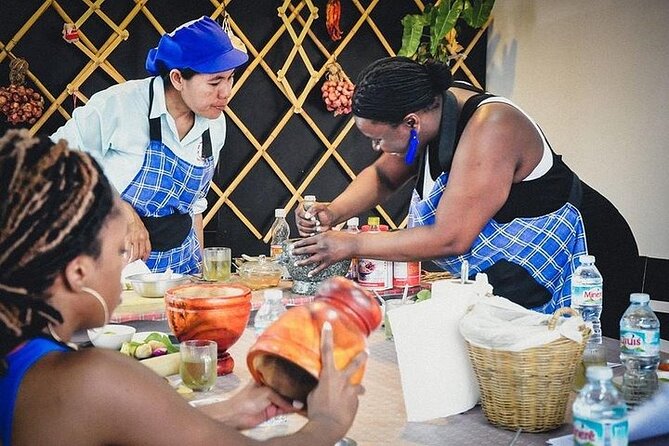
You don’t just cook and leave. You eat what you make—so you can taste your results right away.
This is important for beginners. You’ll quickly notice what needs adjustment next time. Thai cooking is flexible: sweetness, salt, sour, and heat can be tuned to taste. During the class, you’re encouraged to adjust amounts rather than follow one rigid formula.
That taste-feedback loop is one of the reasons people feel like they can recreate dishes later.
Portions tend to be satisfying, and in some experiences you may get boxes to take leftovers back to your hotel, which turns the class into a second meal later.
Group size: small class energy without feeling private
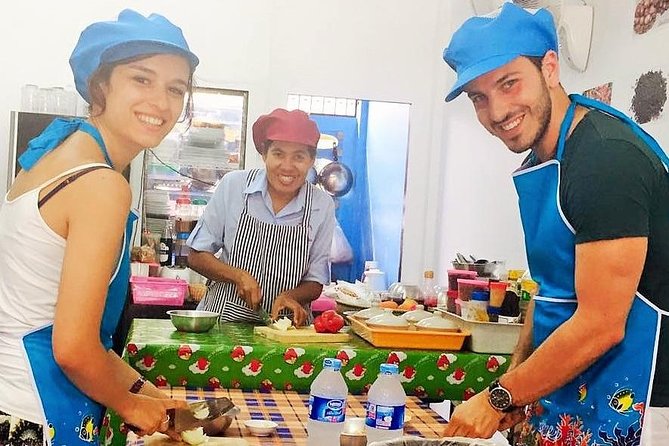
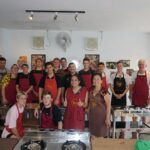
The class is kept small—up to 10 people—with a maximum of 8 travelers on the activity. Minimum of 2 people per booking is required.
In practical terms, small groups mean you’re more likely to get help when you need it. You get to actually cook, not just hold a spoon while someone else does the work. And it also makes the class feel friendly—lively conversation, laughing while you chop, and a more relaxed pace than big-group cooking tours.
If you want a social experience, the group size still keeps it warm. If you want a calmer experience, small numbers reduce the chaos.
What to expect from the kitchen setup (a fair warning)
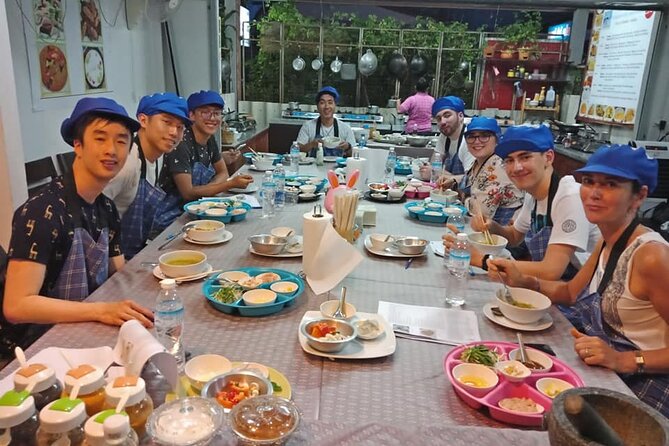
The food and teaching are consistently praised. The one area that can be mixed is the space itself.
A few experiences mention a more primitive or basic setup, including a cold demonstration room and missing items like aprons. That doesn’t mean the food isn’t great or the instruction isn’t solid—it just means you should expect less modern studio comfort.
So go with the right mindset: this is a cooking class built around doing, not around luxury.
Who should book this Phuket cooking class?
This is a strong fit if you:
- Want a hands-on Thai cooking lesson that you can repeat at home
- Like markets and want to understand ingredients, not just eat them
- Are traveling with a partner or small group and want a shared activity with food at the center
- Are a beginner and want simplified, step-by-step guidance
It can also work well for older travelers. One experience notes the class was enjoyable even for people in their 70s, and the teaching approach is built for real learning, not intimidation.
If you’re very sensitive to room temperature or you prefer fully stocked professional kitchen gear, you might want to mentally prepare for a more home-style setup.
Value check: is $69 a good deal?
For $69, you’re getting:
- Hotel pickup and drop-off
- A market stop for ingredient guidance
- A small-group cooking lesson
- A meal (lunch or dinner) featuring what you cook
- Recipes you can take home
- Extra help that often includes organizing leftovers in take-home boxes
Then there’s the hidden value: learning to make curry paste and balancing flavors means fewer “mystery jar sauce” dinners later. That saves money over time and improves your cooking in a way that a one-plate restaurant meal can’t.
If you’re bringing a companion who won’t cook, there’s an extra charge of THB 1,100 for non-cooking participants, so budget accordingly.
Should you book this half-day Phuket cooking class?
Yes, if you want a practical Thai cooking lesson with real results.
Book it if you’re the type who likes to learn by doing: shopping, prep, cooking in a wok, and then eating what you made. The small group size and curry paste focus are the big reasons this feels worth it, especially at half-day timing.
Hold off or reconsider if you need a very polished, modern kitchen environment or if you’re bothered by cooler rooms and the lack of some items like aprons.
If you’re still deciding, pick the time slot that best fits your day, because this class shines when you’re not rushing. Give yourself a little breathing room before or after, and you’ll get the full benefit: you’ll go home with recipes, flavor knowledge, and at least a couple meals worth of Thai comfort food.
FAQ
How long is the Half-Day Phuket Easy Thai Cooking class?
It runs about 4 hours (approximately 3–4 hours).
Does the tour include hotel pickup and drop-off?
Yes. Pickup and drop-off from your hotel is included.
What dishes will I learn to cook?
You’ll learn classic Thai dishes such as Pad Thai, papaya salad, and Massaman curry. Popular dishes mentioned include curry paste and items like chicken satay, Panang curry with chicken, and mango sticky rice, plus options such as Tom Yum and green curry depending on the class menu.
Is there a morning and afternoon option?
Yes. You can choose either a morning or an afternoon class.
What is the group size?
The class is limited to a maximum of 10 people per booking, and the activity notes a maximum of 8 travelers.
Is it free for children?
Children under 7 are free, but they must be accompanied by an adult.