REVIEW · PHUKET
SSI | Padi Open Water Course in Phuket
Book on Viator →Operated by SSS Phuket · Bookable on Viator
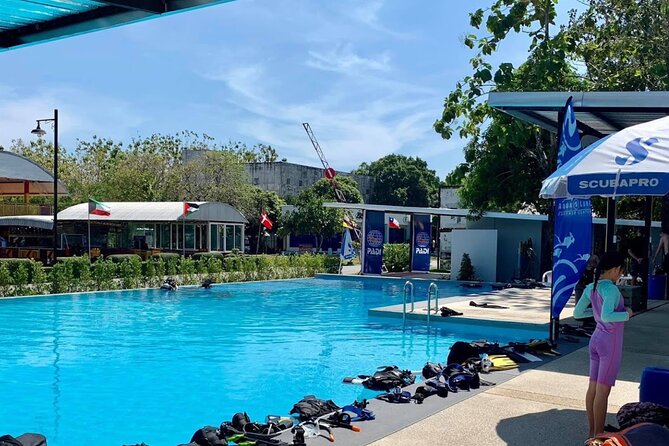
If you want scuba skills without guessing your way through, this Phuket course is built for that. You start with calm pool training in Chalong, then move to clear-water sites around Racha Yai and Racha Noi.
I like the value here: equipment, boat transfers, and the 5 open-water sessions are wrapped into one package, so there’s less surprise spending once you arrive. You also get a small group (up to 8), which matters when you’re learning buoyancy and safety steps.
One thing to double-check: the course name uses PADI wording, but the included materials list SSI certification, so I’d confirm exactly which certification you’ll receive before paying.
In This Review
- Key points worth knowing before you go
- What you’re really buying in this 3-day Phuket open-water course
- Day 1 in Chalong: pool-based skills that build confidence fast
- Day 2 at Koh Racha Yai: clearer water, weaker current, and longer practice blocks
- Day 3 around Ko Racha Noi: wild island feel with the best visibility focus
- Instructors and small-group teaching: why up to 8 people matters
- Price and value: does $505.13 make sense here?
- Pickup, timing, and what to plan around before Day 1
- Photo, marine life expectations, and the small add-ons
- Who should book this Phuket course (and who might want to reconsider)
- Should you book this SSI/PADI Open Water Course in Phuket?
- FAQ
- How long is the course?
- What certification will I get?
- How many open-water sessions are included?
- Are equipment and boat transfers included?
- Is pickup available from my hotel area?
- What meals are included?
- What health and timing restrictions should I know?
Key points worth knowing before you go
- Small group size (max 8) helps you get feedback during skills work
- Pool day first in Chalong means you practice control before ocean sessions
- 5 open-water sessions included with equipment and boat transfers
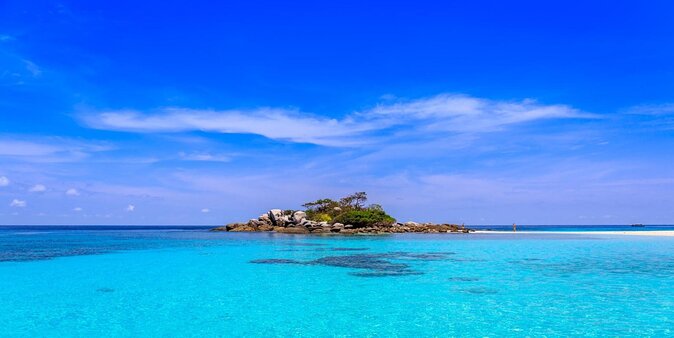
- Racha Yai and Racha Noi are chosen for clear water and manageable conditions
- Instructors named by past students include Olivier, Pommie, Oodi, Ned, and OotDy
- Taxi transfers on days 2 and 3 cover Patong, Kata, Karon, and Chalong-area pickup
What you’re really buying in this 3-day Phuket open-water course
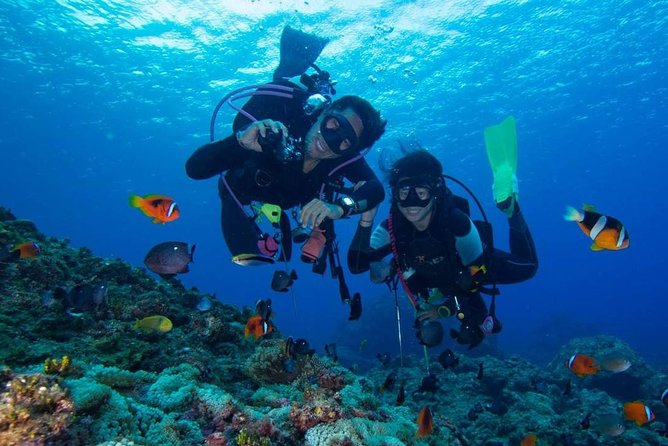
This is a short, intense learning arc: one day to master core skills, then two days of underwater experience designed for first-timers. The big win is that you’re not just doing a theory-to-adventure leap. You practice, get corrected, and then use those skills where they count—on real sites in Phuket’s marine waters.
The price is listed at $505.13 per person. For Phuket, that’s not cheap—but it’s also not the kind of “low rate, high add-ons” deal. Based on what’s included, you’re paying for instruction time, course materials tied to the certification you’ll receive, insurance, scuba gear, and boat transfers for the ocean sessions. If you’ve priced out gear rental + guide time separately, this package can look much more reasonable.
Do keep in mind the course runs about 3 days and starts at 9:00 am from the Kata Beach meeting point (Win Jeang Swimwear, near Kata Beach). If you’re on a tight schedule, plan arrival so you can be present the first morning without stress.
Finally, the certification wording is worth your attention. The description mentions PADI acceptance worldwide, while the included section says SSI material and SSI certification. Either way, the training itself follows a structured open-water path—but you should confirm your certificate name so it matches your travel or future dive plans.
You can also read our reviews of more tours and experiences in Phuket.


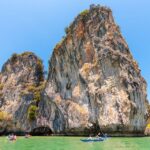
Day 1 in Chalong: pool-based skills that build confidence fast
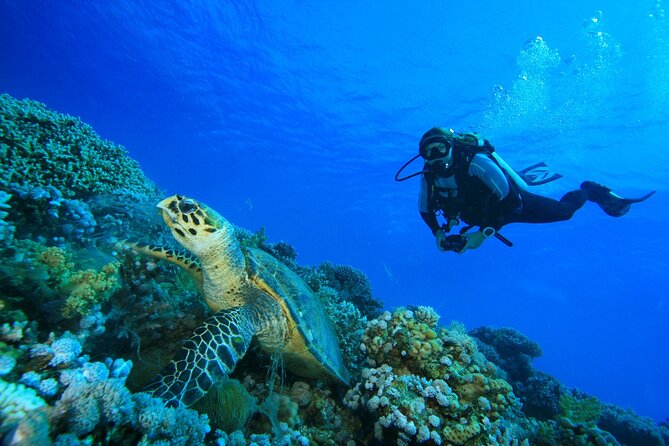
Day 1 is focused on the “get your bearings fast” part of scuba. You’ll start by setting up equipment and practicing basic skills in controlled water—surface work and underwater practice, all at a pace that suits learning.
This is also why the Chalong pool day is smart for first-timers. When you’re learning buoyancy, mask clearing, regulator recovery, and basic control, nerves are normal. Practicing those movements in a place where you’re not dealing with long surface swims or changing currents helps you build calm muscle memory before you go to open water.
The schedule block is about 5 hours, and since it’s a dedicated training day, you can treat it like your learning foundation. If you’re the type who absorbs best after a warm-up, this is your day. And if you’re anxious, this day is where you’ll likely feel your confidence settle in.
One practical note: you’ll still need to handle paperwork and health requirements. You’ll be asked to complete a health questionnaire prior to diving, and they specifically note that some medical conditions (like asthma or heart conditions) can prevent you from diving—so it’s worth checking with your doctor early if you have any concerns.
Day 2 at Koh Racha Yai: clearer water, weaker current, and longer practice blocks
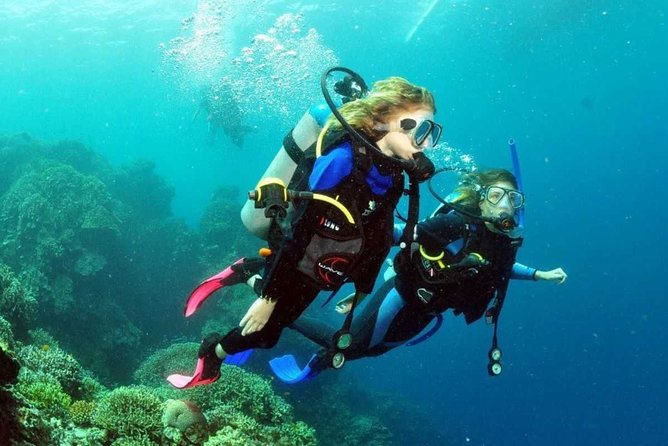
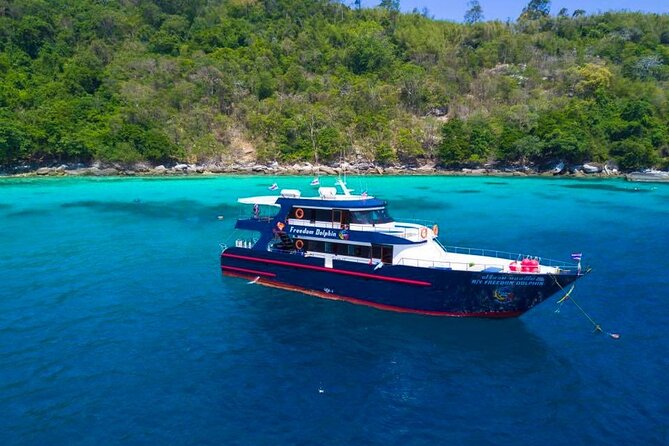
Day 2 shifts you to Koh Racha Yai, a reef area known for clear visibility. The course is structured so you’re not just riding along—you practice in settings chosen to be easier for new divers, including sites with weak current.
You’ll have two practice sessions on this day (each listed as lasting 50 minutes) with the course aim of putting your pool skills into the ocean environment. That’s the key step: you learn how the gear feels when you’re weightless in real water, and how your breathing rhythm changes your control.
The day is listed at 6 hours, which usually means you’ll have a full morning-to-afternoon rhythm: gear check, instruction, boat transfer, then the ocean sessions, plus time to wrap up and get debriefed.
Why Koh Racha Yai is a good teaching choice: clear water lets instructors see what you’re doing, too—so corrections can be more precise. It also makes the experience more rewarding. Even if you’re focused on technique, you’re still going to notice marine life and the visual payoff of Phuket-area reefs.
If you’re choosing this course for the views as much as the skills, Day 2 is where you start earning that satisfaction.
Day 3 around Ko Racha Noi: wild island feel with the best visibility focus
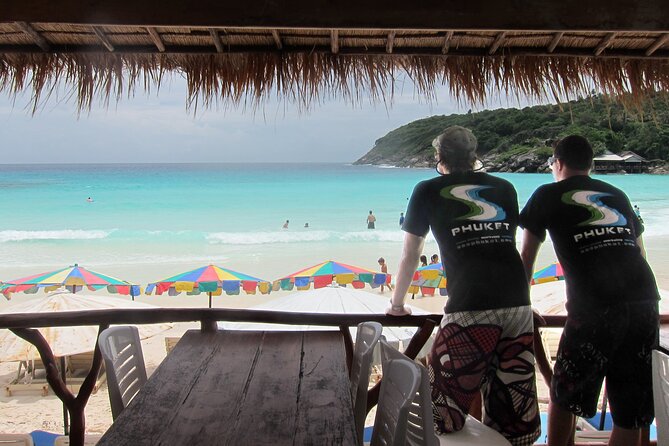
On Day 3, you go to Ko Racha Noi, described as wild and well-preserved. This is presented as a visibility-focused day, with the course noting that it offers the best underwater visibility in the Phuket area.
You’ll spend about 7 hours there. That extra time matters because by Day 3, you should feel more comfortable handling your equipment and staying relaxed underwater. More time usually means you’re less rushed during the learning process and can spend more of the day doing the thing you came for: experiencing the ocean with skill, not just surviving it.
From an instructor standpoint, Day 3 is where technique shows up. You’ll spend less mental effort on basics and more on situational awareness—things like keeping buoyancy steady and staying aware of your surroundings.
If you’re the kind of learner who needs repetition to feel real competence, Day 3 is the payoff. The water clarity goal also means your practice outcomes are easier to evaluate visually.
And yes, the course promises that you’ll see marine life and shipwreck-type scenery across the open-water days. You shouldn’t expect every wreck to be a Hollywood scene, but you can expect the “wow, I can actually see this” moment when you’re neutrally buoyant and looking instead of panicking.
Instructors and small-group teaching: why up to 8 people matters
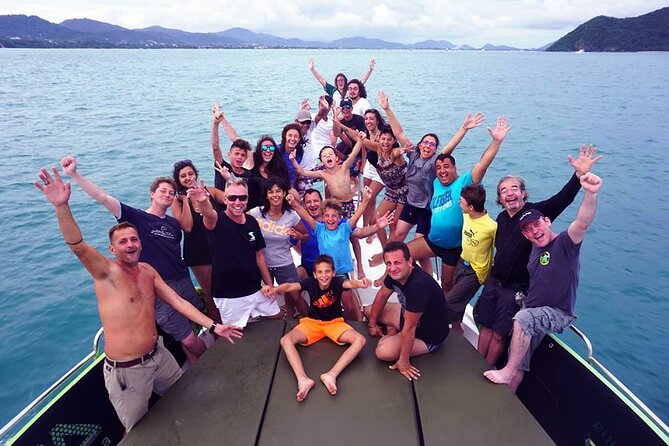
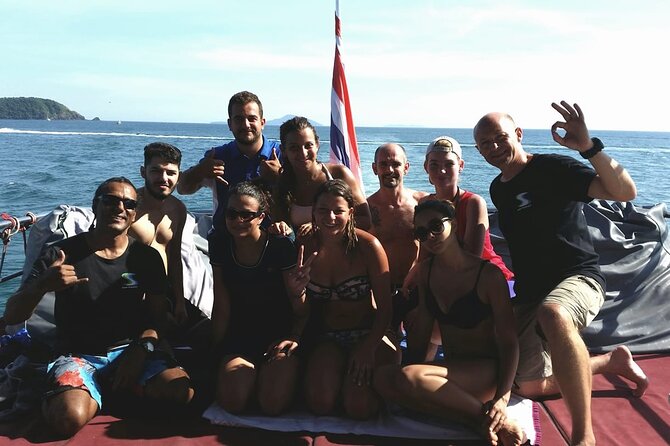
This course caps at 8 travelers, and that’s a big deal when you’re learning scuba fundamentals. In a bigger group, you can get stuck waiting your turn—less time for feedback, more time guessing. In a smaller group, an instructor can watch your breathing, your body position, and your hand movements with less waiting around.
Past students have highlighted several instructors by name, including Olivier, Pommie, Oodi, Ned, and OotDy. The consistent theme is structured teaching and reassurance for nervous first-timers. That matters because a good first course isn’t just technique—it’s learning how to stay calm when you’re new in open water.
If you’ve ever felt anxious in water, look for the kind of teaching that focuses on safety steps and slow progress. The course includes instruction plus insurance, and the overall style described in feedback leans toward clear guidance and patient support.
One more detail I appreciate: the operation may use a multi-lingual guide. Even if English isn’t your only language, having support that adapts to your comfort level can reduce misunderstandings during safety explanations.

Price and value: does $505.13 make sense here?
Here’s how I think about value for a certification-style course in Phuket:
You’re paying for:
- SSI certification materials (and the course instruction tied to that path)
- Scuba equipment included
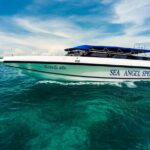
- Boat transfers included for the ocean sessions
- Insurance included
- Hotel-area pickup via taxi transfers on days 2 and 3 (Patong, Kata, Karon, and Chalong-area zones)
- Meals included: breakfast (2) and lunch (2)
You’re not paying for:
- Souvenir photos (sold separately)
- Anything you eat outside the included breakfasts/lunches
So the question isn’t just price. It’s whether you’d spend similar money piecing it together yourself. In many places, the equipment rental and guide/boat costs add up fast. Here, those core scuba logistics are built into the package.
Also, a 3-day course with 5 open-water sessions gives you a realistic shot at feeling competent by the end—assuming you show up on time, complete the health questionnaire, and communicate any concerns right away.
At $505.13, I’d call it a fair-to-strong value if you want the full bundle and you don’t want to manage multiple bookings.
Pickup, timing, and what to plan around before Day 1
The start time is 9:00 am. Your meeting point is listed at Win Jeang Swimwear, near Kata Beach (the address includes Tambon Karon and Phuket). The activity ends back at the meeting point, so you’ll likely plan your own transport afterward unless you’re staying in the pickup zone.
Pickup details:
- Taxi transfers are included for day 2 and day 3 for areas like Patong, Kata, Karon, and Chalong.
- Day 1 starts at the meeting point, so plan to arrive early enough to get equipment sorted without rushing.
The group format is also something to remember. Maximum 8 means you’ll likely be scheduled efficiently, but you’ll still want to be ready for quick gear checks. Bring whatever helps you feel comfortable: a swimsuit you can wear under gear, sun protection, and a dry bag for personal items.
Important safety timing: they note diving within 18 hours of flying is not recommended. If you just landed (especially long-haul), plan extra time so your body can settle. And since you’ll complete a health questionnaire, don’t skip it or leave any medical info vague.
If you wear contacts or glasses, you’ll want to think about how you handle mask fit and comfort—equipment is included, but you’ll be responsible for your personal comfort choices.
Photo, marine life expectations, and the small add-ons
Souvenir photos aren’t included; they’re available to purchase. That’s common, but it’s good to know so you don’t assume the course will hand you footage.
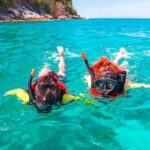
As for what you’ll see: the course description highlights marine life, shipwrecks, and views both above and underwater. In Phuket, marine life and clarity can vary by day and conditions, but the course is selecting sites like Racha Yai and Racha Noi for clearer water and better visibility outcomes.
Also, each open-water session is scheduled around 50 minutes, which is a satisfying chunk of time for a certification course. You get enough minutes to see things, practice control, and still have time for rest and instructor feedback.
Who should book this Phuket course (and who might want to reconsider)
This course fits best if:
- You want a 3-day path to an open-water certification-style outcome
- You want pool practice first, then ocean sessions quickly after
- You prefer a small group with more attention from your instructor
- You’re traveling with mixed comfort levels and want a supportive pace
It might not be the right match if:
- You’re very sensitive to uncertainty and need a perfectly fixed schedule. Weather can change plans because the experience is described as weather dependent.
- You’re arriving from flying less than 18 hours before your first ocean session.
- You’re unsure which certification you need. With the SSI/PADI wording mismatch, you should confirm what certificate you’ll hold at the end.
If you’re already a confident swimmer and you follow safety instructions closely, you’ll likely find this course approachable and organized.
Should you book this SSI/PADI Open Water Course in Phuket?
Yes, if you want an instructor-led certification course that bundles the real-world essentials: gear, boat transfers, structured pool training, and five open-water sessions in a small group. The Racha Yai and Racha Noi site choices make sense for first-timers—clear water and manageable conditions are a big help when you’re learning.
I’d book it with one extra step: confirm whether you’re receiving SSI certification (since materials list SSI) or PADI (since the summary says PADI). Once that’s clear, this looks like a strong option for learning fast without turning your vacation into a spreadsheet of separate bookings.
FAQ
How long is the course?
It runs for 3 days (approx.), starting at 9:00 am at the listed Kata Beach meeting point.
What certification will I get?
The description mentions PADI certification accepted around the world, but the included materials list SSI Material and SSI certification. You should confirm which one you will receive before you book.
How many open-water sessions are included?
The course includes five open-water dives/sessions as part of the program.
Are equipment and boat transfers included?
Yes. Scuba diving equipment and boat transfers for the open-water days are included.
Is pickup available from my hotel area?
Taxi transfers are included for day 2 and day 3 for areas including Patong, Kata, Karon, and Chalong. Day 1 starts from the meeting point at Kata Beach.
What meals are included?
You get breakfast (2) and lunch (2) included during the 3-day course.
What health and timing restrictions should I know?
You must complete a health questionnaire prior to diving. Also, diving within 18 hours of flying is not recommended, and some conditions (such as asthma or heart conditions) may prevent you from diving.