REVIEW · PHUKET
Blue Elephant Thai Cooking Class with Additional Dessert in Phuket
Book on Viator →Operated by Oh-Hoo · Bookable on Viator
Your wok gets busy fast in Phuket. This small-group class turns Thai home cooking into a guided, practical 4-hour lesson, complete with a full meal you’ll actually eat. I especially like the small-group pace and the attentive help (including instructor Joy) plus the market tour approach that keeps ingredients grounded in what locals buy.
One thing to consider: there’s no hotel pickup, so you’ll need to make your own way to Blue Elephant Phuket Cooking School & Restaurant on Krabi Road.
In This Review
- Key highlights you’ll care about
- Why This Phuket Class Feels More Like Skill-Building Than Watching
- Price and Value: What $166.23 Really Includes (and Why It Can Be Fair)
- Getting There: The 1:30 PM Start and the No-Pickup Reality
- Arrival at Blue Elephant Bar: Herbal Drinks and the 5-Course Game Plan
- Theory Class at the Start: Fruits, Herbs, Vegetables, and Typical Products
- Market Shopping Near the School: Learn What to Buy, Not Just How to Cook
- Practice Room at 3:00 PM: Your Own Space, Wok, and Hands-On Coaching
- The Five Dishes You’ll Cook: From Starter to Dessert
- Certificate and Souvenir: When the Cooking Phase Ends
- Tasting at 5:30 PM: Eat What You Made, in the Right Setting
- Who Should Book This Blue Elephant Class in Phuket
- Booking Timing: When to Pull the Trigger
- Should You Book It? My Practical Take
- FAQ
- FAQ
- How long is the Blue Elephant Thai Cooking Class in Phuket?
- What is the meeting point and start time?
- Is hotel pickup included?
- What’s included in the price?
- How many people are in the class?
- Can the class be canceled or rescheduled due to weather?
Key highlights you’ll care about
- Small-group attention (max 20) so you’re not stuck watching from the sidelines
- Herbal drinks at arrival plus a chef-led preview of the 5-course meal style
- Market shopping near the school to learn what to look for before you cook
- Your own cooking space and wok with instructors stepping in during demos
- You take home more than recipes: booklet, apron, products, and a certificate
Why This Phuket Class Feels More Like Skill-Building Than Watching
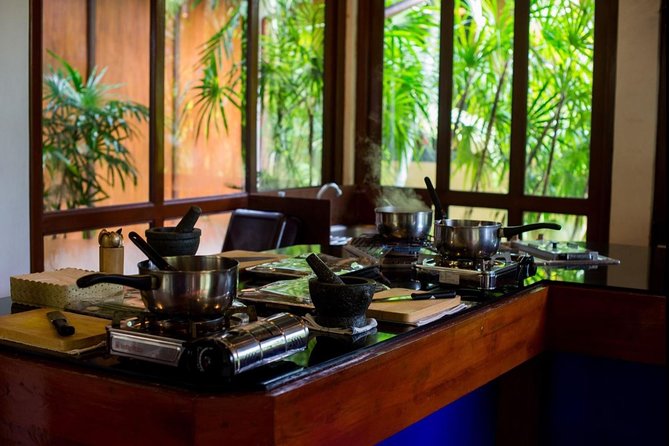
A lot of cooking classes in Phuket are more performance than practice. Blue Elephant’s format is built around the idea that you should leave able to repeat the dishes, not just able to say you attended. You get a professional chef start, then you shift into hands-on cooking with your own tools and steady guidance.
Two parts matter most for your enjoyment. First, the group stays small enough for real questions. In the reviews, Joy gets singled out for being professional and letting people ask plenty of questions, which is exactly what you want if your Thai cooking knowledge starts at zero. Second, the class doesn’t treat ingredients like an afterthought. You’ll shop for items at a local market near the school, so the flavors you create have a real-world source.
The other quiet benefit is confidence. When you learn technique on-site—how Thai cooks balance heat, sour, sweet, and herb flavors—you can understand what to adjust later, even when you substitute ingredients at home.
You can also read our reviews of more cooking classes in Phuket
Price and Value: What $166.23 Really Includes (and Why It Can Be Fair)
At $166.23 per person, this is not a budget cooking class. But when you look at what’s included, the price starts to make sense for Phuket.
Here’s what you typically get in this class setup:
- All ingredients for the full meal you’ll cook
- A recipe booklet and cooking recipes to take home
- A Blue Elephant apron
- A certificate plus a souvenir
- A market tour and products you’ll take away in a shopping bag
- Refreshing Thai herbal drinks on arrival and a refreshing towel
Most classes either charge extra for ingredients or keep the “take-home” items small. Here, the ingredient and market approach is built into the day. You’re paying for structure: the chef talks you through the why, instructors help you execute the how, and you get a meal out of it at the end.
Also, the group size matters. The schedule caps at 20 and requires a minimum of 10. That’s a range where an instructor can still support you at your station, rather than leaving you to fend for yourself in a crowd.
Getting There: The 1:30 PM Start and the No-Pickup Reality
The class starts at 1:30 pm at Blue Elephant Phuket Cooking School & Restaurant on Krabi Road (near public transportation). Because hotel pickup and drop-off are not included, you’ll want a plan that doesn’t turn your day into a transportation scramble.
This matters more than you might think. Cooking classes run on time because stations, ingredients, and food timing all depend on the schedule. If you arrive late, you may miss the chef’s first briefing and the early guidance that helps you cook confidently later.
If you’re staying far from Phuket Town or relying on taxis only, give yourself extra buffer. The best move is to be at the meeting point a bit early—especially if it’s your first time navigating the area.
Arrival at Blue Elephant Bar: Herbal Drinks and the 5-Course Game Plan
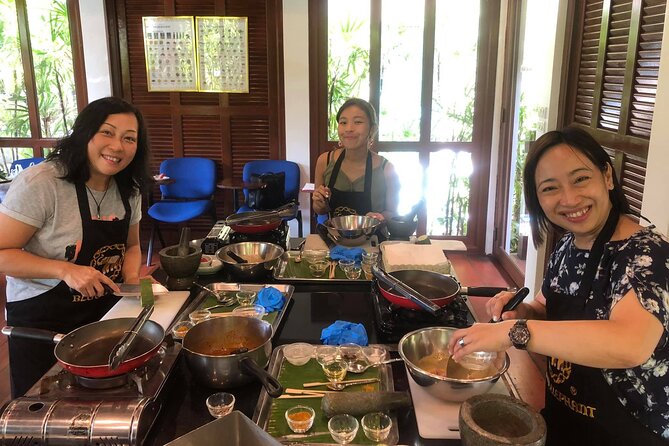
Your day begins at the Blue Elephant Bar of the Governor’s Mansion in Phuket Town. Before you touch a utensil, you’re served Thai herbal drinks and a quick welcome. Then the chef discusses the 5-course meal you’ll prepare.
This preview is more useful than it sounds. It gives you a mental map before you’re overwhelmed by smells, herbs, and technique. Even if your Thai cooking background is limited, you’ll know what kind of dishes you’re working toward—starter, soup, main, accompanying dish, and dessert.
You’ll also start learning Thai cooking’s “systems thinking.” Thai food isn’t just about random ingredients—it’s about balancing flavors and using herbs and aromatics at the right moment. The chef’s discussion at arrival sets the stage for everything you’ll do next.
Theory Class at the Start: Fruits, Herbs, Vegetables, and Typical Products
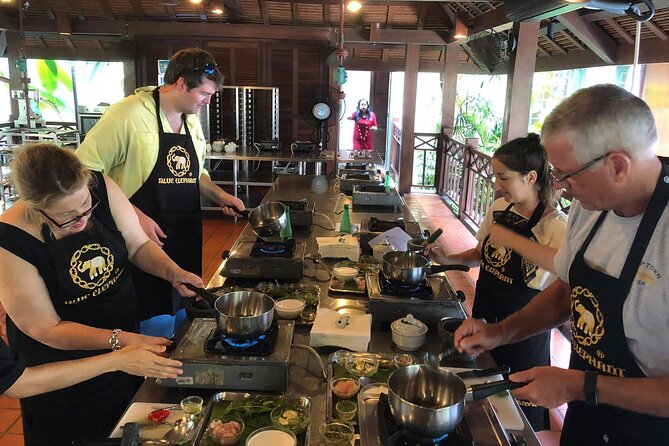
Around 2:00 pm, you move into the theory portion. This is where the chef introduces Thai fruits, vegetables, herbs, and typical products you’ll likely be using later. Then the chef demonstrates the dishes you’ll cook yourself.
One reason I like this approach: it prevents the most common cooking class problem. When people skip the ingredient context, they can only follow steps blindly. Here, you’re shown what each key component does in the dish—so you can understand what to adjust if something looks different at the market.
You’ll receive a booklet with the recipes of the day and a Blue Elephant apron around this stage. That’s a practical perk. The booklet helps you keep pace during cooking, and you’ll be able to rebuild what you made once you’re back in your kitchen.





Market Shopping Near the School: Learn What to Buy, Not Just How to Cook
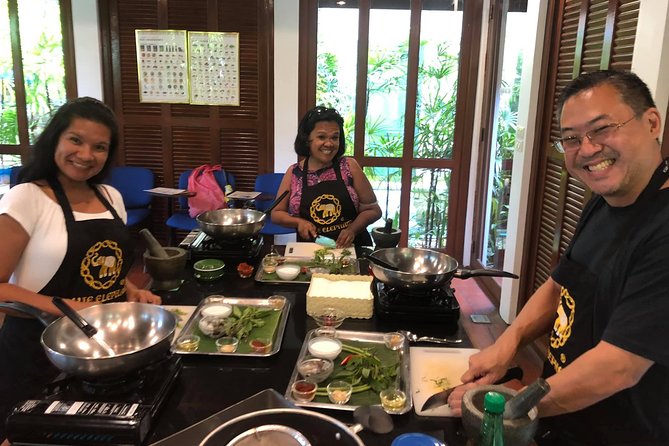
The class includes a market tour near the school where you’ll shop for ingredients. The itinerary doesn’t force you into a giant shopping expedition, which is good. Instead of you guessing what to buy later, you learn what Thai cooks look for in the ingredients that drive flavor.
When I think about value in a Thai cooking class, this is a big part of it. Ingredients aren’t optional here. Even small differences—herb freshness, the type of aromatics, the way vegetables are selected—can change the final taste.
Practical tip for you: if you’re the type who loves to recreate meals later, take notes during the market portion. Look at how vendors handle ingredients, how they bundle herbs, and what looks freshest. If the chef mentions substitutions or alternatives, write them down. Those details are what will save your cooking at home.
Practice Room at 3:00 PM: Your Own Space, Wok, and Hands-On Coaching
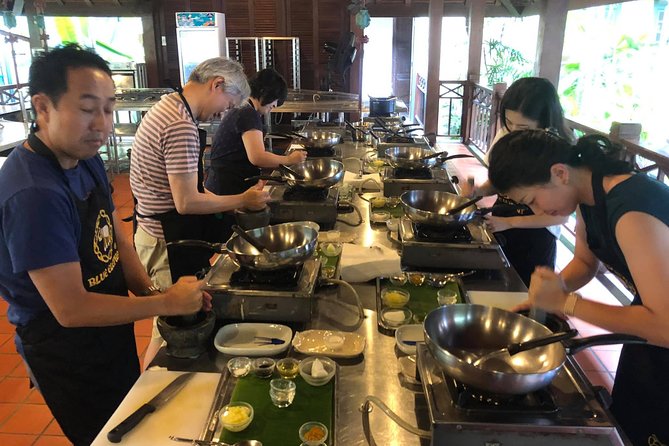
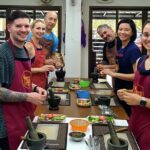
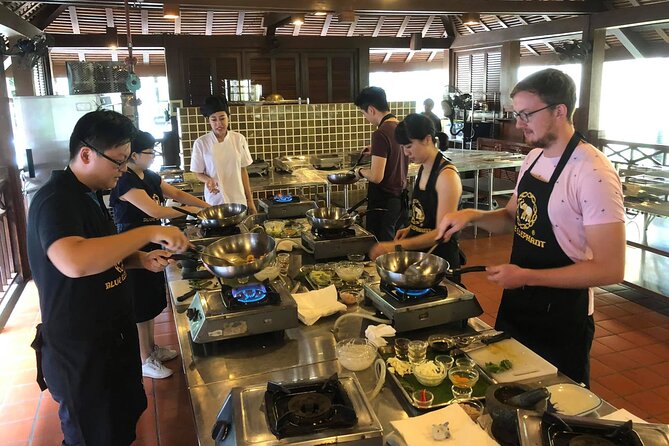
At 3:00 pm, it’s time to cook for real. You move into the practice room, and this is one of the most reassuring parts of the whole experience: each student has his or her own space and wok.
That means you’re not waiting for turns. You’re cooking continuously, with instructors assisting while you learn techniques of Thai cuisine. The reviews highlight strong support during demonstrations, including assistants preparing stations so you can focus on the cooking steps.
This hands-on structure is where skill builds. You’re learning:
- Timing: when to add aromatics and when to let flavors bloom
- Technique: how to stir-fry and control heat
- Flavor balancing: how Thai sour, sweet, spicy, and herbal notes work together
Also, because the class is small, instructors can correct you while you’re mid-step instead of giving generic advice after the fact.
The Five Dishes You’ll Cook: From Starter to Dessert
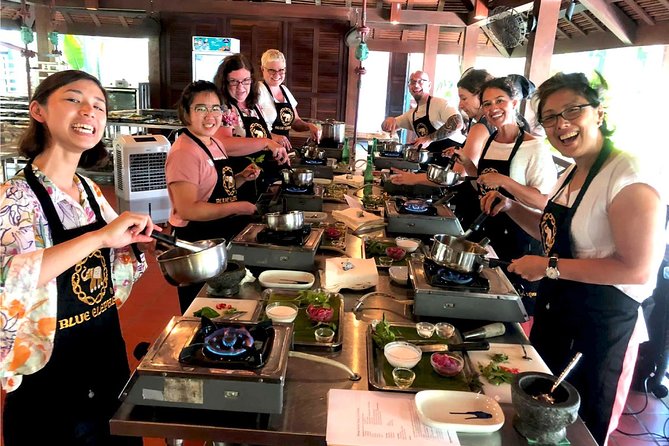
The class is organized around five dishes, and it’s often structured across a full course flow: a starter, a soup, a main dish, an accompanying dish, and a dessert. The exact dishes can vary based on the day’s menu, and the schedule can shift depending on ingredient availability.
What you should take away is the range. You’re not stuck making one kind of Thai dish all day. You’ll practice different methods and build familiarity across a typical meal structure.
Even if your Thai cooking experience is limited, this variety helps you understand how the cuisine is assembled. You’ll see how flavors repeat in new ways across courses, and you’ll learn which ingredients show up repeatedly because they matter most.
The dessert portion is a smart inclusion, too. Many cooking classes stop at dinner. Here, the meal feels complete, and you get practice in Thai dessert flavor patterns that rely heavily on coconut, fruit, and balanced sweetness.
Certificate and Souvenir: When the Cooking Phase Ends
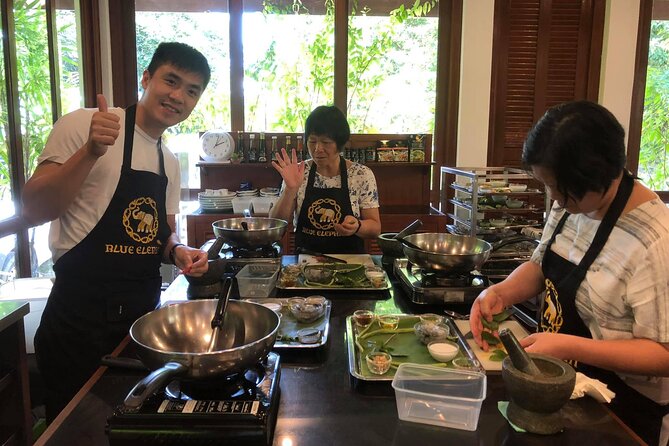
Around 4:30 pm, the course wraps up. This is when you receive the certificate and a souvenir. It’s a small moment, but it also marks the shift from cooking mode to enjoying mode.
If you’re thinking about photography or capturing what you made, this is often your last checkpoint before tasting. Make sure you’ve noted anything you want to recreate later, especially if you tasted as you cooked.
Tasting at 5:30 PM: Eat What You Made, in the Right Setting
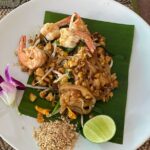
The best part of any cooking class is eating the results. Here, you taste and enjoy your cooking in a convivial Thai setting at the Blue Elephant Restaurant starting around 5:30 pm.
This timing matters. By the end, you’re not just tasting a plate of food; you’re tasting the dish after you’ve learned the steps and theory behind it. That makes the flavors easier to recognize next time.
And since the class includes ingredients, desserts, and full-course-style output, the meal isn’t a token bite. You’re getting a real payoff for the 4-hour effort.
If you want to get the most from the tasting, do one thing: compare the dish you cooked with the way Thai food is meant to be experienced—balanced, aromatic, and not overly heavy. You’ll start noticing which elements you personally nailed and which ones you’d fine-tune at home.
Who Should Book This Blue Elephant Class in Phuket
This class is a great fit if you want hands-on cooking instruction with supportive teaching and a clear structure. I’d especially recommend it if:
- You’re visiting Phuket Town and want a culture-focused activity that isn’t just sightseeing
- You like small groups where questions are welcome (Joy is a strong example of that style)
- You want to shop for ingredients first, then cook them right away
- You want to take home practical tools: the recipe booklet, apron, and products in a shopping bag
It may be less ideal if you hate logistics. With no hotel pickup, you must handle getting there. It’s also a weather-dependent experience, and the schedule can shift based on ingredient availability or unforeseen circumstances.
If you’re coming as a family, note the child ticket age is 6 to 11. That suggests the class is set up to accommodate younger learners, but the day is still hands-on—so bring patience and make sure your child can handle a cooking environment.
Booking Timing: When to Pull the Trigger
This experience is booked on average about 32 days in advance. That’s a good hint that it’s popular and not something you should try to wing at the last minute—especially if your Phuket trip is tight and you have a specific schedule.
If you’re planning around other Phuket highlights, book earlier and then build your itinerary around this class, not the other way around.
Should You Book It? My Practical Take
If you want a Thai cooking experience that feels professional and structured, Blue Elephant is a strong choice. I like that the format supports real learning: a chef sets the plan, you explore ingredient context, you cook at your station, and you end by eating what you made. The included ingredients, booklet, apron, certificate, and take-home products also make it feel like more than just a short activity.
I’d only tell you to hesitate if you’re relying on hotel pickup or you hate the idea of scheduling around food availability and weather. Otherwise, this is a solid way to take a real piece of Phuket culture home with you—skills and flavors you can repeat.
FAQ
FAQ
How long is the Blue Elephant Thai Cooking Class in Phuket?
The class runs for about 4 hours.
What is the meeting point and start time?
You’ll meet at Blue Elephant Phuket Cooking School & Restaurant on Krabi Road 96 in Phuket Town, and the start time is 1:30 pm.
Is hotel pickup included?
No. Hotel pickup and drop-off are not included, so you’ll need to get yourself to the meeting point.
What’s included in the price?
The price includes all ingredients, the apron, the certificate, a shopping bag with products, cooking recipes, market tour, a refreshing towel, and Thai herbal drinks on arrival.
How many people are in the class?
The tour requires a minimum of 10 people and has a maximum of 20.
Can the class be canceled or rescheduled due to weather?
Yes. It requires good weather, and if it’s canceled due to poor weather you’ll be offered a different date or a full refund. You can cancel for a full refund up to 24 hours before the experience starts.