REVIEW · PHUKET CITY
Phuket: Half Day or 2-Hour Ethical Elephant Care Sanctuary
Book on GetYourGuide →Operated by Northern All Star Co.,Ltd. · Bookable on GetYourGuide
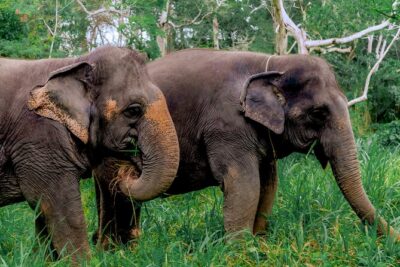
Elephants have a way of making you rethink everything. At Nai Dee Elephant Care Park, the focus is on ethical, hands-on care in a natural setting, not rides or tricks. I like how the day is structured around respectful interaction and learning, so you feel present with the animals instead of just passing through for photos.
Two things I particularly appreciate: you actually help with the elephant routine (preparing treats, feeding by hand, and in the longer option, mud spa and bathing) and the guides keep things friendly and clear while explaining elephant behavior. One possible drawback to plan for is the shared-transfer timing, since pickup can mean a longer ride depending on where you start from.
In This Review
- Key points before you go
- Nai Dee Elephant Care Park: what makes it feel different
- Two options: 2-hour feeding vs half-day mud spa and bathing
- Option B: the 2-hour elephant feeding experience
- Option A: the half-day feeding, bathing, and mud spa experience
- Before the elephants: getting set up for a hands-on day
- Feeding time: making food and learning elephant behavior
- Mud spa and bathing (Option A): what it’s like and what to prepare
- The Thai cooking class and meals: a real break, not an add-on
- Transfers and timing: how the shared pickup affects your day
- Photos you don’t have to think about
- Price and value: is $36 fair for what you get?
- Who this elephant experience fits best
- My take: should you book Nai Dee Elephant Care Park?
- FAQ
- How long is this Phuket elephant experience?
- What’s included in Option A versus Option B?
- Does the tour include Thai cooking?
- Are transfers included?
- What should I bring for the park?
- What’s not allowed during the experience?
- Can you pick me up if I’m staying on Coconut Island?
- Is this suitable for cruise ship passengers?
- Is there free cancellation?
Key points before you go
- Two clear program options: 2 hours of feeding only, or a half-day with bathing and mud spa.
- Real interaction, not elephant riding: the experience is built around care and welfare.
- Hands-on food prep: you make healthy treats and then feed elephants by hand.
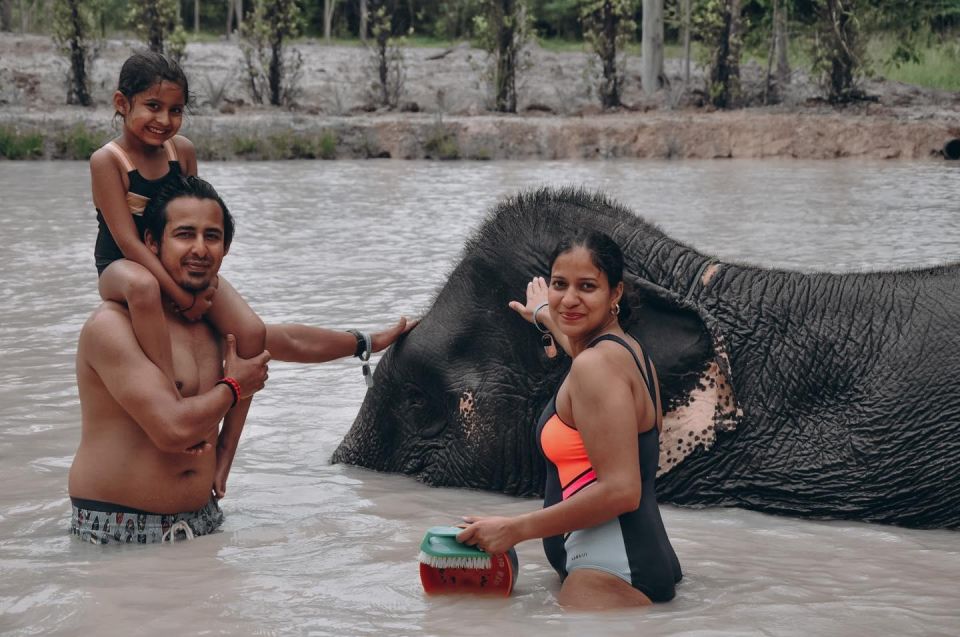
- Mud spa and bathing (Option A): a playful, water-based activity designed as enrichment.
- Thai cooking class and meals included: Pad Thai shows up, plus a lunch break.
- Photo service included: professional pictures are part of the deal, often shared after the visit.
Nai Dee Elephant Care Park: what makes it feel different
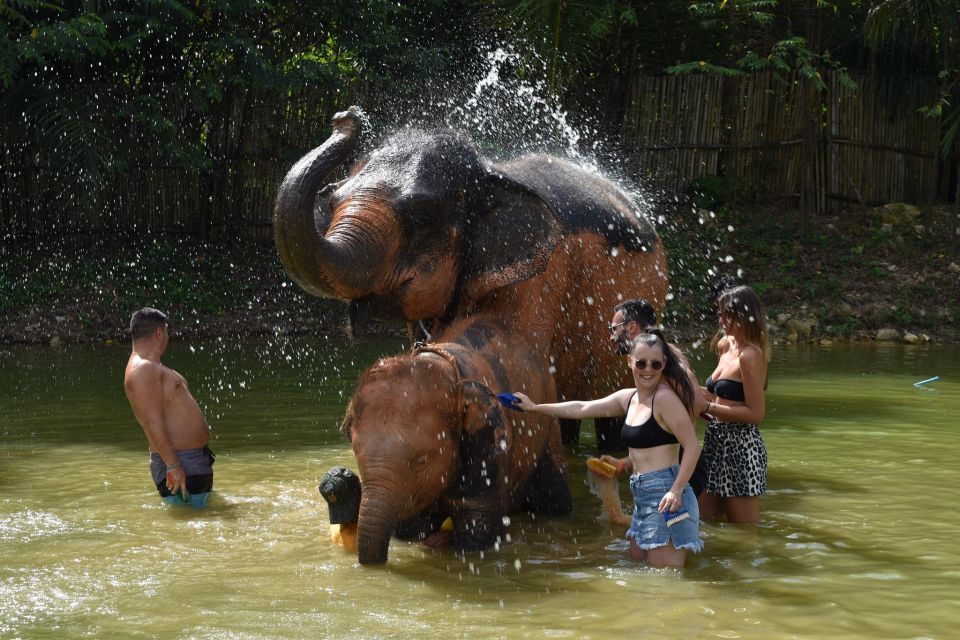
Nai Dee Elephant Care Park is Phuket’s only ecological elephant sanctuary, spread across more than 100,000 square meters of natural habitat. That scale matters. It changes the vibe from a tight, crowded “attraction” feeling into something closer to a working sanctuary day with space around you.
The big message here is responsible tourism. Instead of choreographed stunts, your time is tied to elephant welfare: feeding, observing behavior, and (for the longer option) participating in enrichment activities like mud spa and bathing. In other words, you’re not trying to force elephants into something. You follow their rhythm, and you learn how the caretakers think about health, diet, and daily comfort.
Another plus: the staff are English-speaking and the atmosphere stays light. Many people mention how funny and engaging the guides are, and that matters more than you’d think. When you feel comfortable, you ask better questions, you listen better, and you leave with context rather than just a memory.
You can also read our reviews of more tours and experiences in Phuket City.



Two options: 2-hour feeding vs half-day mud spa and bathing
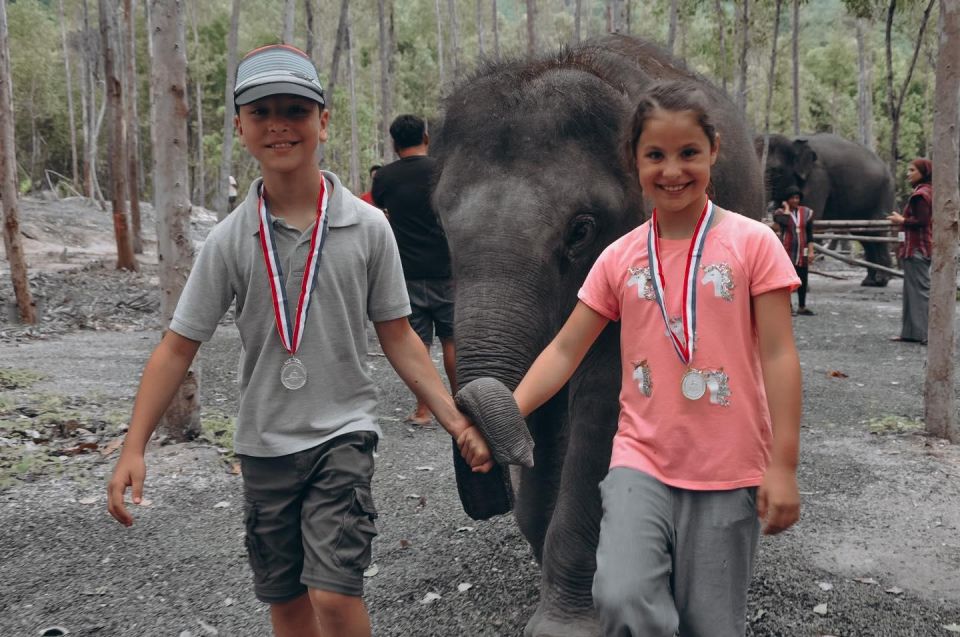
You can book this experience two ways, and choosing the right one will shape your whole day.
Option B: the 2-hour elephant feeding experience
If you’re short on time, Option B is the clean, simple choice. You’ll still do the core activity: preparing food and feeding the elephants by hand, with explanation about elephant behavior along the way. You’ll also get a light lunch and then head back to your hotel.
What you’re not getting here: no bathing and no mud spa. You’ll miss the water-based portion and the longer “messy-fun” enrichment, but you’ll still come away having contributed to the feeding and learned how elephants relate to people in a calm, care-focused environment.
Option A: the half-day feeding, bathing, and mud spa experience
Option A is the most popular fit if you want the full sensory experience. You start with hotel pickup, arrive at the park, prepare healthy treats, and feed the elephants while learning about their diet and care.
Then comes the mud spa and bathing session. People often describe this as a highlight because it’s interactive but still anchored in the park’s welfare goal: it helps elephants stay comfortable and clean, and it gives visitors an up-close look at how care works in a sanctuary setting.
You’ll wrap up with a lunch (buffet meals are included for this option) before returning to your hotel around 1:00 PM or 4:30 PM depending on session.
Before the elephants: getting set up for a hands-on day
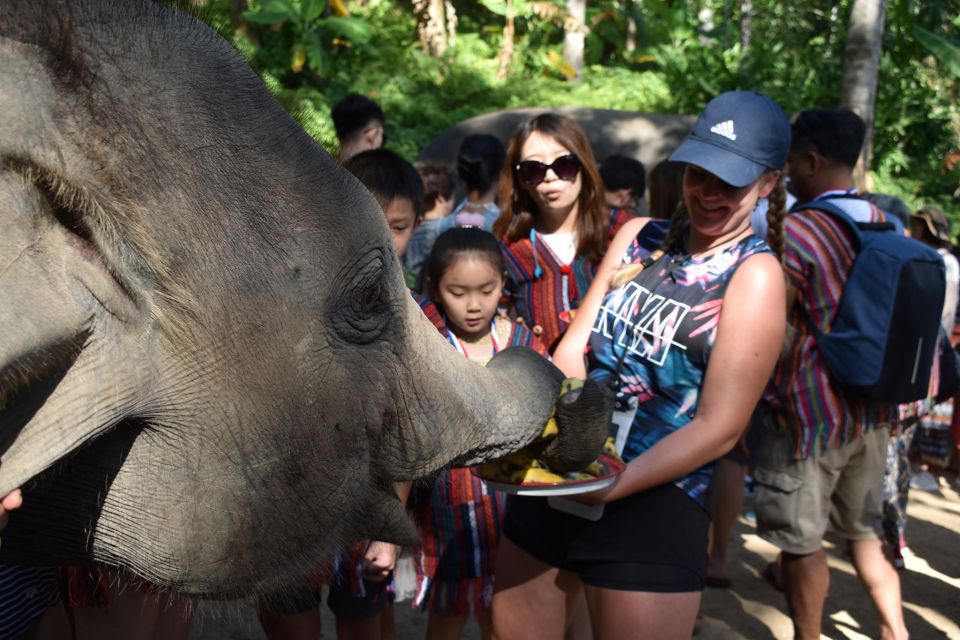
On either option, the day starts with a welcome and a quick introduction to what you’ll do. You’ll be taught how to handle the food preparation part safely and respectfully. A common detail you’ll want to notice: this is not a “watch from the edge” situation. You’re expected to participate.
Plan for practical stuff from the start:
- You’ll want a hat and sunscreen since outdoor time is part of the experience.
- Bring swimwear and a change of clothes, plus a towel. Option A includes water activities, but even for feeding-only, it’s a hot Phuket day.
- Wear something you can get wet or dirty if you’re doing the mud spa.
One small safety note worth taking seriously: one reviewer mentioned getting ill after swallowing elephant bathing water when an elephant sprayed them. That sounds like an accident, but it’s still a good reminder to keep your mouth closed around splash zones, especially during bathing.

Feeding time: making food and learning elephant behavior
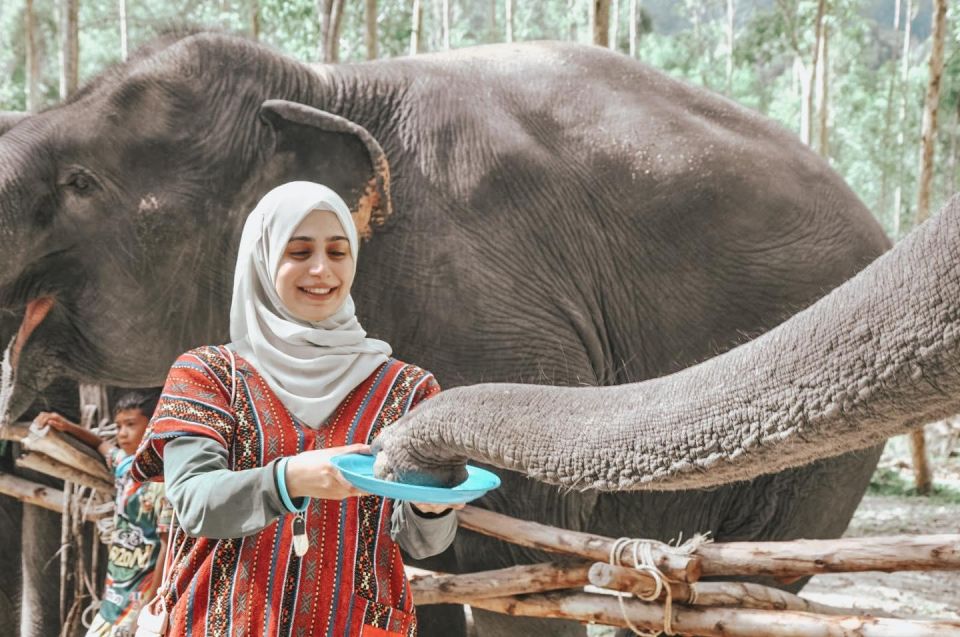
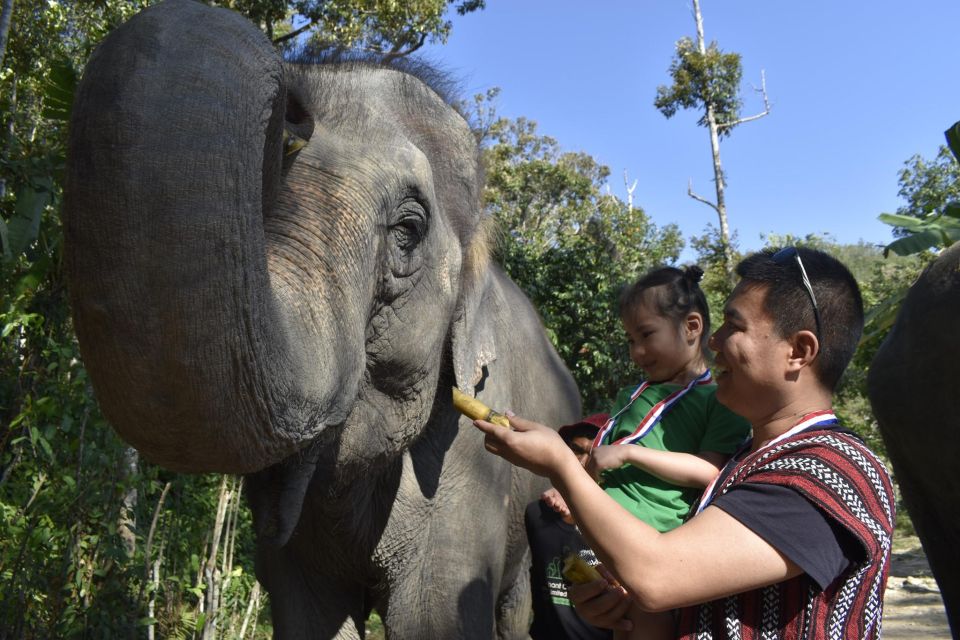
This is the heart of both programs. You typically begin by preparing food treats yourself, then feeding the elephants by hand. Many people describe making food balls first, using bare hands as part of the activity, followed by feeding cut vegetables.
The learning piece is key. The guides share insights into elephant lives and behavior, and the better you understand what you’re seeing, the more meaningful the interaction becomes. Even if you only catch bits of the explanation, the experience nudges you to notice details like:
- how elephants approach calmly when food is offered
- how caretakers manage timing and spacing
- how the group behaves as one animal chooses to engage while another stays relaxed
If your main goal is to meet elephants ethically without riding, this feeding-first structure is a strong match. It’s direct contact, but it’s framed around diet and welfare, not performance.
Mud spa and bathing (Option A): what it’s like and what to prepare
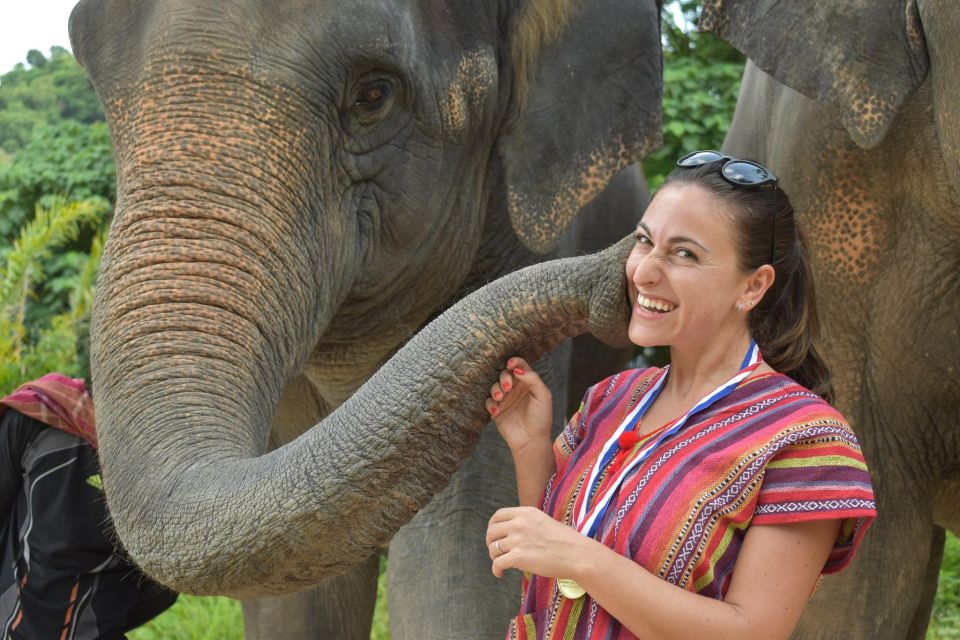
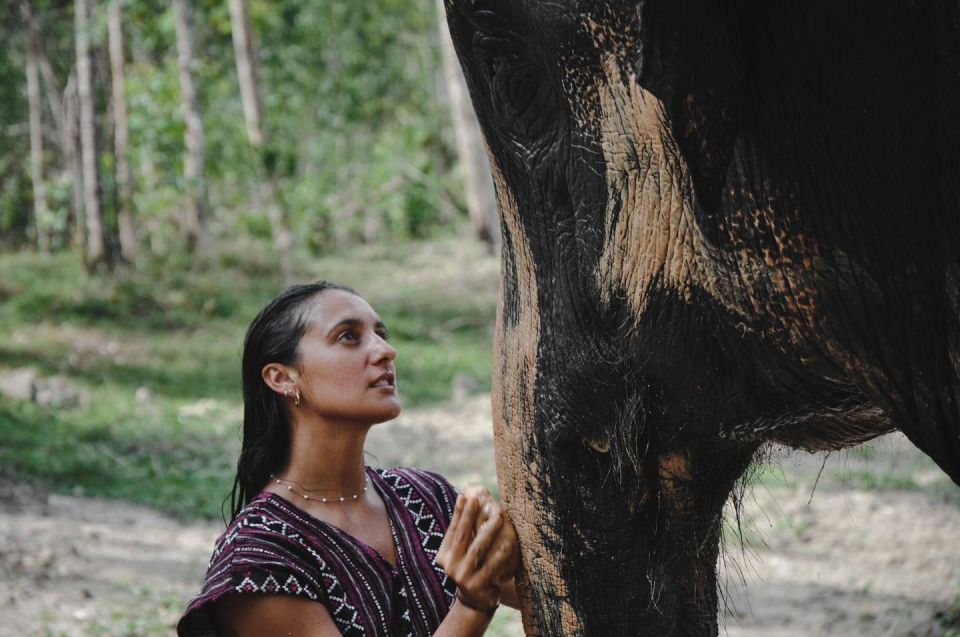
Option A adds the mud spa and bathing session, and this is where people tend to remember the day in vivid, sometimes funny, detail. You’ll change into an activity uniform for the bathing/mud part, and the staff guide you through what’s safe and appropriate.
What surprised some visitors: they expected more of a river wash. Instead, the bathing setup can feel more like a designed spa area (a pond-like experience is specifically mentioned in at least one account). Either way, the mechanics are similar: you’re near the elephants, you’re involved in the enrichment routine, and you’re getting wet.
Practical advice:
- Bring extra underwear or clothes if you can. Even with provided clothing, you’ll likely want something comfortable after.
- Expect mud. Bring confidence, not perfection. The mud spa is part of why elephants like the process.
- If you’re sensitive to splashes, consider wearing sunglasses and keeping your face protected during the busiest spray moments.
Is it worth it? If you want a more immersive experience, yes. If you’re mainly here for the educational feeding component and prefer to keep things drier, Option B will still scratch that itch without the water session.
The Thai cooking class and meals: a real break, not an add-on
This tour doesn’t just stop at elephants. You also get a Thai cooking class, plus meals.
For Option A, buffet meals are included. Multiple people mention classic dishes like papaya salad and Pad Thai. For people who do a lot of sightseeing, this is the kind of “break from heat and motion” activity that actually helps you slow down and remember what you tasted afterward.
Even better: you’re not just eating. You’re learning. The cooking class is part of the structured flow between elephant moments, so you get a full-day rhythm instead of a fast transfer-to-transfer routine.
A practical bonus: one review mentions the team made a separate portion for a peanut allergy. The tour data confirms they provide English-speaking staff and a cooking class, but it doesn’t list allergy policies in detail. Still, if you have allergies, it’s worth reaching out in advance so the kitchen can plan safely.
Transfers and timing: how the shared pickup affects your day
The experience includes round-trip transfers from your hotel (based on the selection), but it’s a shared transfer. That detail matters because shared pickup starts from the first pickup point at either 07:30 or 12:30, depending on session. The operator will confirm your exact pickup time again.
In real life, shared transfers usually mean:
- a short wait before you leave
- possible extra stops depending on who’s picked up first
If you hate uncertainty, choose your session carefully. A half-day option is already shorter than a full-day tour, so you’ll feel the transport time more.
There’s also an important location note for Coconut Island (Phuket): the pickup service cannot access the island. You’ll need to meet at the entrance of Laem Hin Seafood for your scheduled pickup.
Cruise passengers should pay extra attention. The activity may not be suitable due to tender boat schedules and possible waiting times. If you’re arriving by ship, build in buffer time.
Photos you don’t have to think about
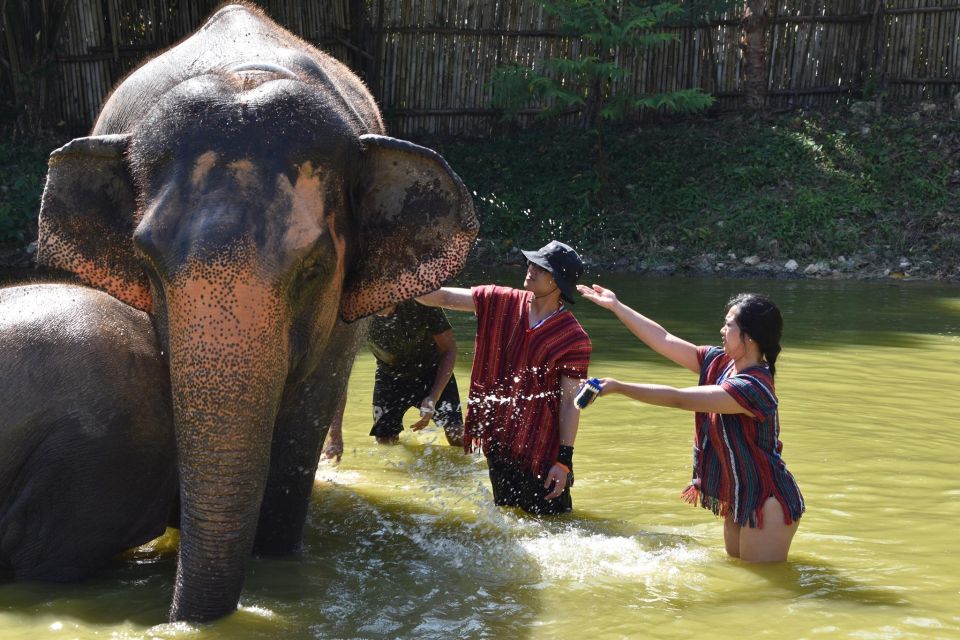
You’ll have photo shooting included. Many people mention that the team takes professional photos during the activities and then sends a link afterward for download, often shared for free. Some also mention that the same staff take photos on phones and share those too.
Two photo-related tips based on real experiences:
- If you plan to post on social media, remember professional images might come in a different orientation than your phone photos. It’s smart to also snap a few with your own camera.
- If you care about getting good shots during muddy/bathing moments, follow the staff cues quickly. The elephants move at their own pace, so timing matters.
Price and value: is $36 fair for what you get?
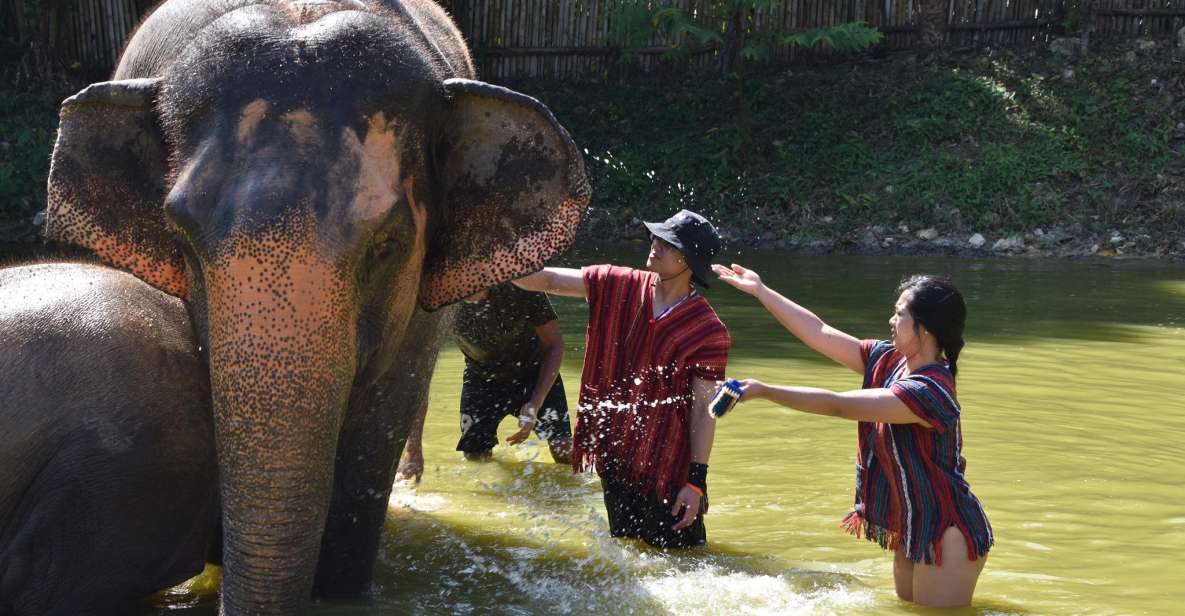
At $36 per person, this experience is priced in the “reasonable for an included package” zone, mainly because the cost isn’t only for entry.
What you typically get in the included bundle:
- admission to the elephant care park
- English-speaking staff support
- round-trip transfers (selected option)
- insurance provided by the operator
- Thai cooking class
- photo shooting
- and for Option A specifically: elephant bathing and mud spa, plus an activity uniform and buffet meals
Option B is shorter, so you’re mostly paying for admission, feeding interaction, lunch, and the same add-ons (cooking class and photos). Option A costs a bit more time-wise, but you also get more included activities and buffet meals.
In plain terms, it’s not a bargain purely because it’s “elephants.” It’s value because so many parts of the day are already handled: food preparation, guide-led learning, meals, transfers, and photos. If you’d otherwise pay separately for food activities and a tour guide, this bundle pricing tends to feel fair.
Who this elephant experience fits best
I’d point this tour at people who:
- want ethical elephant interaction without riding
- value hands-on participation, not just watching
- like the idea of pairing wildlife time with a cultural activity (Thai cooking)
- prefer a structured half-day rhythm instead of an all-day commitment
It’s also family-friendly in the sense that the guides keep the mood fun and the routine is easy to follow. That said, it’s not for everyone:
- not suitable for wheelchair users
- not suitable for pregnant women
My take: should you book Nai Dee Elephant Care Park?
If your goal is respectful elephant care and you want to do more than take a quick look, I think this is a strong booking. The feeding-first focus feels more aligned with welfare than the common “stand here, pose there” elephant scams you’ll hear about in other places. The half-day option (mud spa and bathing) is especially memorable if you like hands-on experiences.
If you’re cautious about water and mess, pick Option B. You’ll still get close contact through feeding and you’ll keep the day shorter. If your top priority is learning and interaction with fewer variables, feeding-only is a smart way to go.
One last decision tool: if you’re sensitive to timing, arrive with realistic expectations for shared transfers. And if you’re traveling with health concerns around splashing water, take extra care during the bathing portion.
FAQ
How long is this Phuket elephant experience?
The duration is listed as 2 to 4 hours, depending on whether you choose the 2-hour feeding option or the half-day option.
What’s included in Option A versus Option B?
Option A includes feeding plus elephant bathing and mud spa, along with an activity uniform and buffet meals. Option B includes elephant feeding by hand and a light lunch, but it does not include bathing or mud spa activities.
Does the tour include Thai cooking?
Yes. A Thai cooking class is included for all options.
Are transfers included?
Round-trip transfers from your hotel are included, depending on the selection you choose.
What should I bring for the park?
Bring a hat, swimwear, a change of clothes, a towel, and sunscreen.
What’s not allowed during the experience?
Pets are not allowed.
Can you pick me up if I’m staying on Coconut Island?
Pickup service cannot access locations on Coconut Island. You’ll need to meet at the entrance of Laem Hin Seafood for your scheduled pickup.
Is this suitable for cruise ship passengers?
It may not be suitable for cruise ship passengers due to tender boat schedules and possible waiting times. It’s best to allow enough time for transfers.
Is there free cancellation?
Yes, you can cancel up to 24 hours in advance for a full refund.