REVIEW · PHUKET
Phuket : Guided Tour to Elephant Sanctuary with Transfers
Book on GetYourGuide →Operated by Patong Hill Tribe Elephant Village – Ethical Elephant Sanctuary Phuket · Bookable on GetYourGuide
Elephants in Phuket, without riding. This guided visit pairs you with caretakers and lets you see rescued elephants roam and forage in their natural jungle home.
I like two things right away: the forest walk feels calm and respectful, and you get a real learning session about how mahouts and elephants connect through daily care. One consideration: it’s only 1 hour, and the forest setting includes uneven ground, so it may not suit everyone.
I also appreciate the simple, hands-on tasks that stay centered on the elephants’ needs. You’ll prepare food by helping harvest banana trees and grass, then feed from your hand while following staff rules (no touching or loud noise).
In This Review
- Key points to know before you go
- Why this elephant sanctuary visit feels different
- Getting to the hill tribe elephant village (and why timing matters)
- The 1-hour forest walk: calm pace, real behavior
- Feeding prep that actually connects you to elephant care
- Mahouts, education, and reading elephant body language
- Rules, boundaries, and what to bring
- Who this tour is best for (and who should skip it)
- Price and value: is $45 worth it in Phuket
- What my planning checklist looks like
- Should you book the Phuket guided elephant sanctuary tour?
- FAQ
- How long is the Phuket guided elephant sanctuary tour?
- Does the price include hotel pickup and drop-off?
- What activities are included during the visit?
- Is food included in the tour price?
- Are there rules about photography or touching elephants?
- What should I bring for the tour?
Key points to know before you go
- Mahout-elephant bonds: You learn how each caretaking relationship works, not just facts about elephants.
- Small, guided time outside: A short but focused 1-hour walk with the group in the reserve.
- Feeding prep is part of the meaning: Cutting banana trees and gathering grass to support daily meals.
- Education you can use: You get pointers on elephant behavior and body language.
- No elephant riding: The experience is built around respectful interaction and observation.
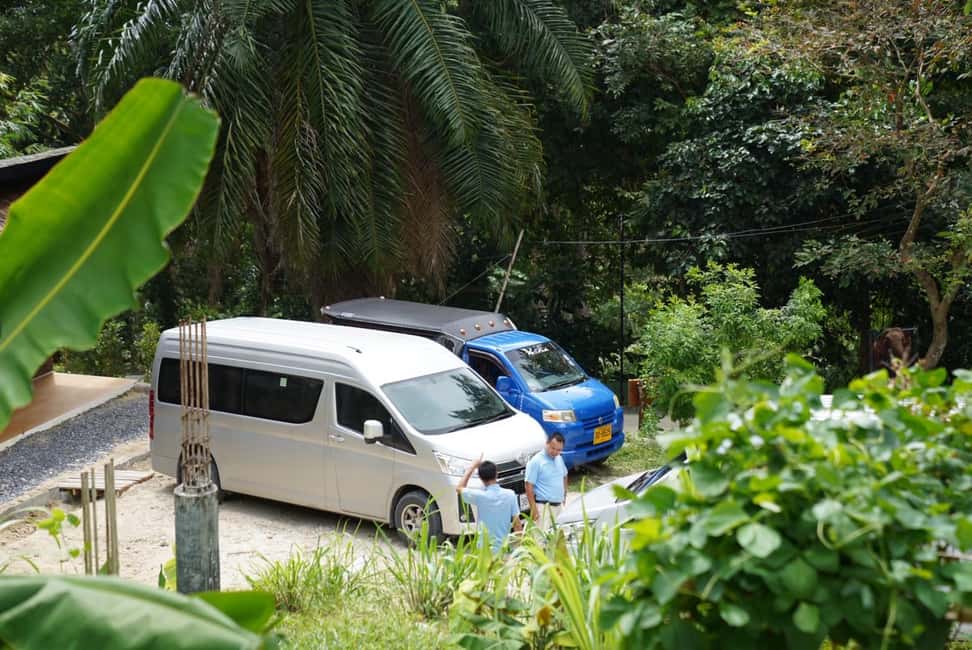
- Hotel transfers available: Optional pickup and drop-off across popular Phuket areas.
Why this elephant sanctuary visit feels different

If you’re tired of the usual Phuket elephant circuit, this is the opposite vibe. There’s no riding, no tricks, and no forced posing. Instead, you’re joining caretakers as elephants move through the reserve the way they normally would.
What makes it interesting is the caretaking angle. The guide explains how rescued elephants live at the hill tribe village and how the daily routine is tied to the mahout’s care. In multiple visits, the guides are described by name, including Pa (and also Pa / Par in the same role), and you can see the emphasis on staff who truly know the animals as living partners, not attractions.
You’ll also get a feeding-and-learning format that doesn’t feel like a gimmick. You help with food prep, then observe and feed appropriately. That’s a big difference from the “stand back and watch” model, and it helps you understand what you’re supporting with your ticket.
You can also read our reviews of more guided tours in Phuket



Getting to the hill tribe elephant village (and why timing matters)
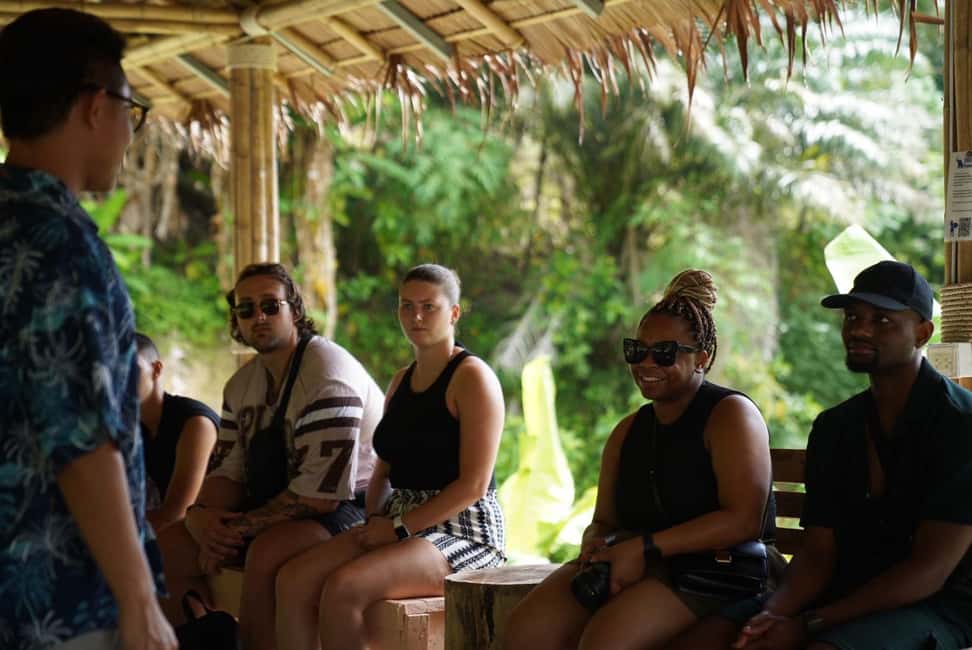
Most people will do this tour with hotel pickup, because the transport is part of the convenience. After pickup, you ride in a van for about 20 minutes to the hill tribe elephant village area. That matters because it sets the tempo: you’re not bouncing around all day; you’re heading there to spend your main time with the elephants.
Once you finish your visit, there’s another short van ride back, around 20 minutes, followed by drop-offs across multiple Phuket locations. The tour lists 12 drop-off areas including Phuket, Kamala Beach, Laguna Beach, Pa Tong, Kata Beach, Surin Beach, Tri Trang Beach, Kalim Beach, Karon, Bang Thao, and Hill Tribe Elephant Village, plus Kamala and Patong-related points through the options.
The practical takeaway: this is a good fit if you want a single, contained activity that’s easy to plug into your vacation day. It’s also a reason to be punctual. If you arrive more than 10 minutes late from the scheduled pickup time, you can be treated as a no-show, so set an early buffer.
The 1-hour forest walk: calm pace, real behavior
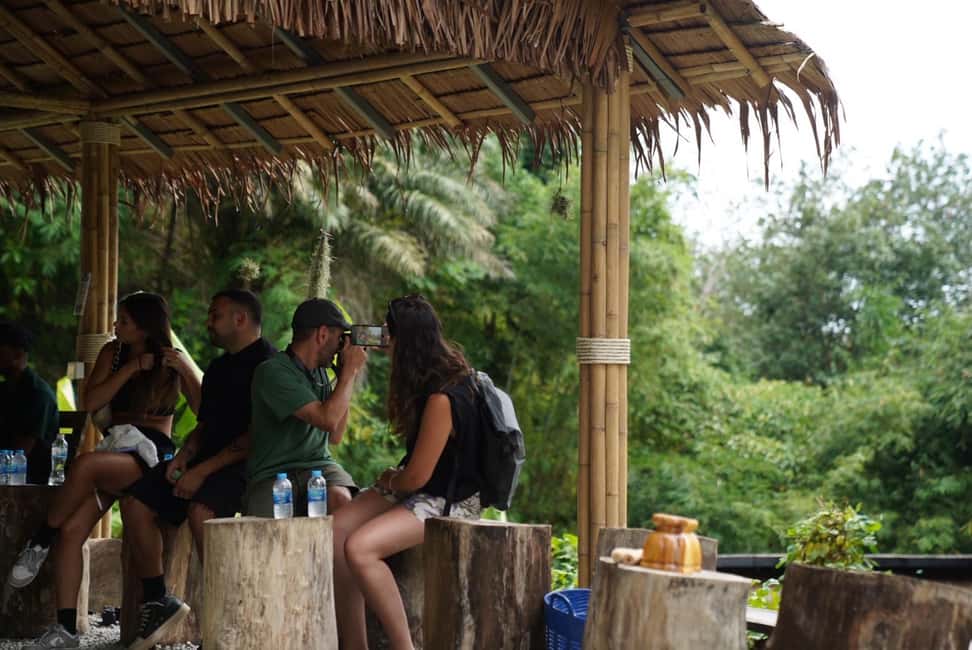
Your time starts with an introduction to the elephants and their hill tribe caretakers. This is where the tour earns its keep. You’re not just watching elephants; you’re learning what their movements mean—what they’re doing, why they’re doing it, and how caretakers read cues.
Then you head out for a peaceful walk into the forest. The idea is to stay close enough for a guided experience, but far enough that the elephants can keep foraging and interacting naturally. The guide shares insights into behavior and daily care routines, including body language and communication, so you’re not left guessing what you’re seeing.
One thing I’d watch for: because it’s a walk in a reserve, you should expect some uneven ground and a slower pace than a flat city stroll. The tour itself is wheelchair accessible, but separate staff support is mentioned for people who can’t walk well due to the hills. If mobility is a concern, ask in advance how your specific option will work, especially if you’re planning for minimal walking.
Feeding prep that actually connects you to elephant care
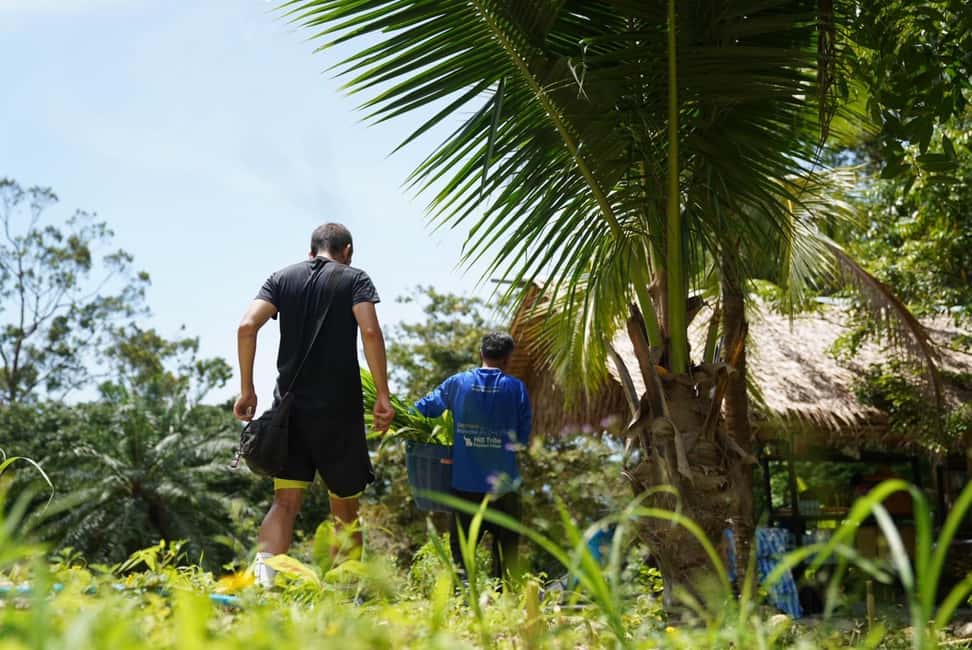
This is not just a “feed the elephant” moment. You help prepare food first, which gives you a better sense of what the caretakers do daily.
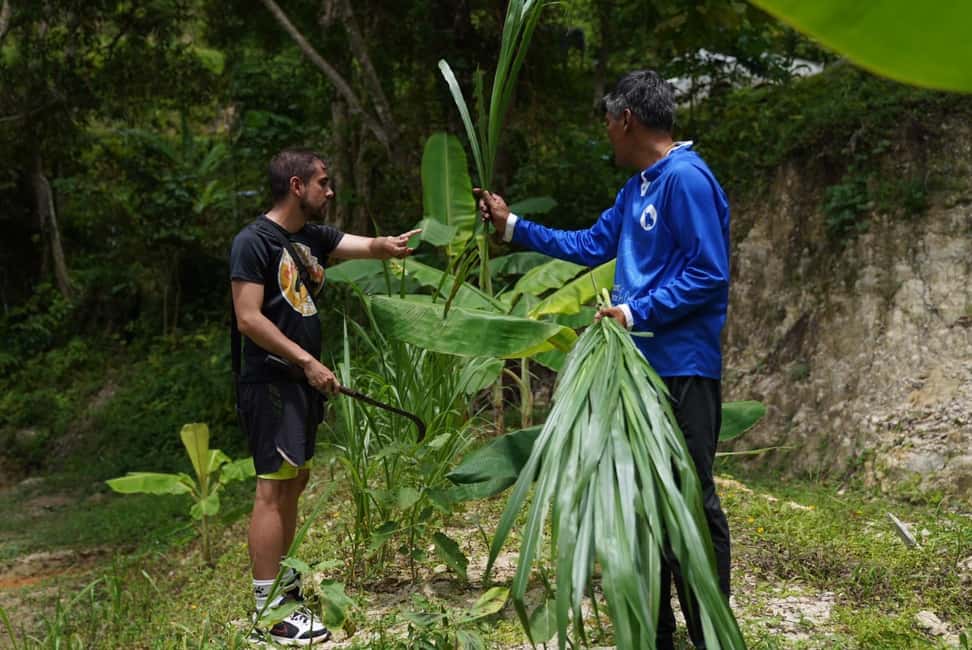
During the visit, you’ll participate in collecting and preparing meals by helping cut banana trees and gather fresh grass from the garden. After that, you’ll have time to meet the elephants and feed them in an appropriate way, including handing herbal elephant food and feeding from your hand.
What I like about this format is that it makes you useful without turning the elephants into props. You’re doing a small work task that supports wellbeing, and then you switch back to observing and learning. It’s also why the tour feels ethical in tone: the interaction stays tied to feeding routines rather than staged tricks.
You’ll also get time to relax in the sanctuary environment. That matters in Phuket, where many tours blur into a fast shuffle of stops. Here, you get a calmer pocket of time before heading back.
Mahouts, education, and reading elephant body language
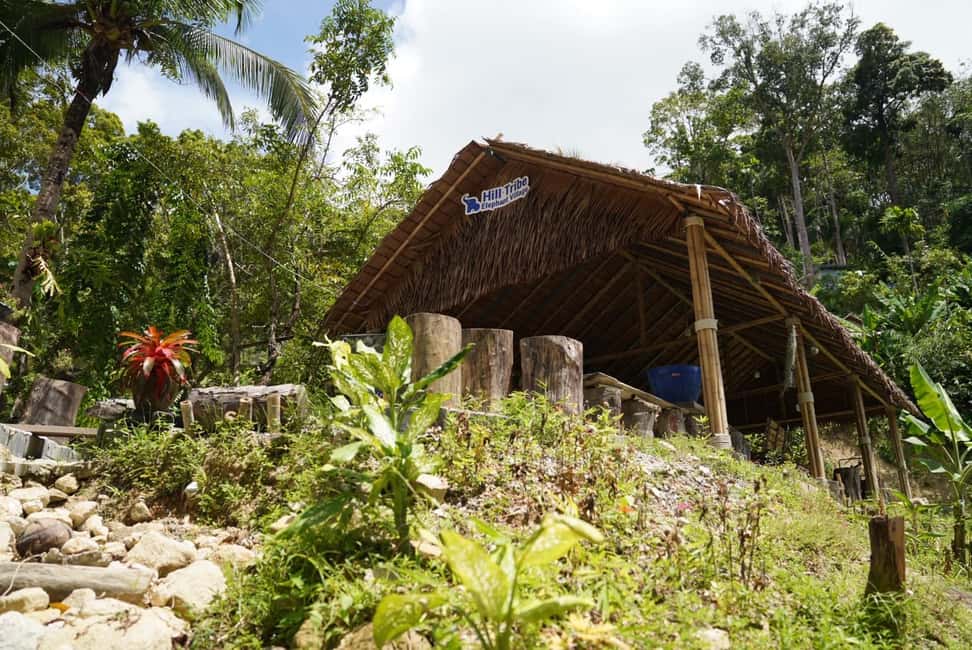
Elephant behavior is easy to misunderstand when you only see people posturing for photos. This tour tries to fix that by teaching you how elephants communicate.
Your guide explains the connection between each mahout and their elephant—how the relationship shapes daily care, comfort, and routines. Different guides show up in feedback, including Pa and Chi Chi (plus references to Mike and Par from other visits), but the common thread is that they treat the elephants as individuals with personalities.
You’ll get guidance on cues you can notice during the walk. The goal isn’t to turn you into an elephant expert in one hour. It’s to make you look slower and read better. That’s what helps the experience feel respectful rather than confusing.
And yes, the elephants can be cheeky. One comment notes elephants stealing extra food and treats, which is usually a sign they’re comfortable in their home routine. Just remember: staff rules apply, and you’ll be steered toward safe interaction.





Rules, boundaries, and what to bring
This is the part I’d treat as non-negotiable. The tour clearly lists restrictions: no flash photography, no loud noises, and no direct bathing or touching of elephants. That keeps the experience safer for you and gentler for the elephants.
What to bring is straightforward:
- Hat
- Camera
- Sunscreen
- Insect repellent
- A reused water bottle (drinking water is included, but you’re asked to bring your own bottle)
A small, practical tip: since this is outdoors in the Gulf of Thailand, heat and bugs can sneak up fast. A hat and repellent aren’t extras here; they’re part of having a good hour rather than rushing to cool down.
Also note the “don’t force it” guidance. If an elephant approaches, you’ll still be guided on how to feed properly from your hand, but the experience doesn’t encourage grabbing or climbing. You’ll feel that in the way staff manage the pace.
Who this tour is best for (and who should skip it)
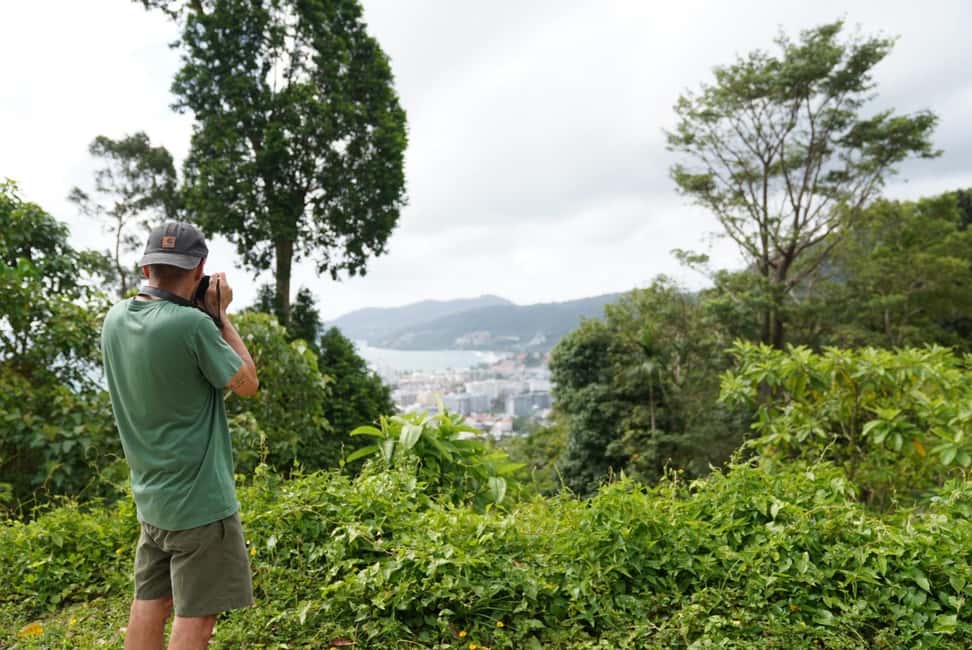
This experience is a good match if you want an elephant sanctuary-style visit that emphasizes learning and respectful care. It’s especially appealing if you:
- care about rescued elephants living out their retirement from tourism
- enjoy guided explanation more than solo wandering
- want a hands-on feeding-prep element that feels purposeful
It’s not for everyone. It’s listed as not suitable for:
- pregnant women
- people with back problems
- people with animal allergies
The reserve is hilly enough that limited mobility can affect how much walking you’ll do. One review specifically describes a situation where, due to hills, someone stayed at the meeting point and an elephant was brought to them. So accessibility is addressed, but your day could look different depending on your comfort level.
If you have allergies, keep in mind the tour is in a natural environment. Even if the elephants are gentle, the setting could still be a problem for you.
Price and value: is $45 worth it in Phuket
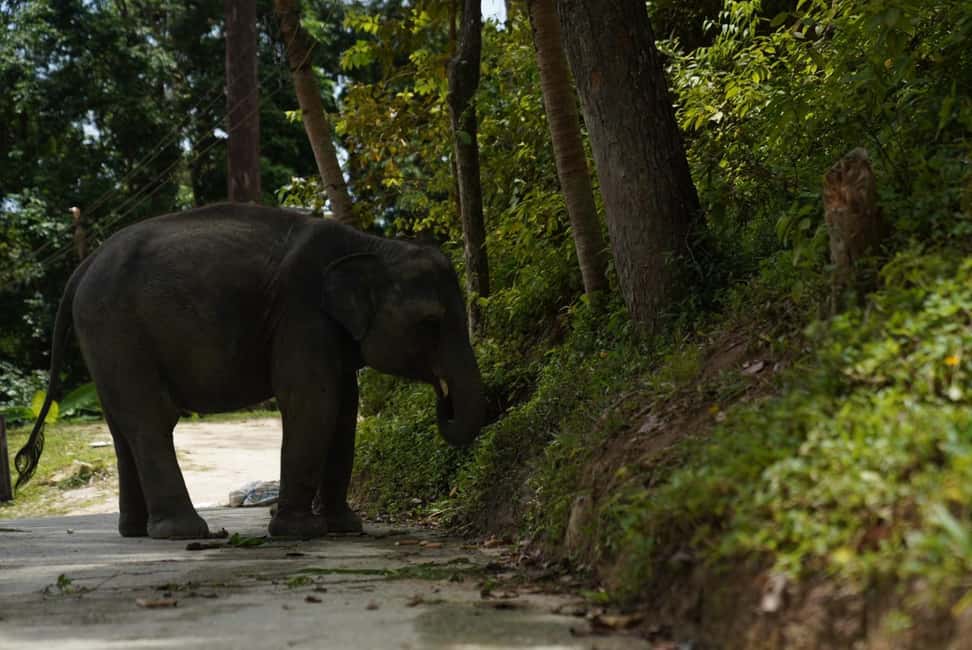
At $45 per person for a 1-hour guided sanctuary experience, the pricing only makes sense if you’re comparing it to what you get beyond the elephant itself.
Here’s what you’re paying for:
- a guided education session with caretakers
- a forest walk that’s designed around the elephants’ natural roaming
- feeding prep work (banana trees and grass harvesting)
- controlled, staff-led feeding time (hand-feeding herbal food)
- water and insurance included
- and, if you select it, hotel transfers across popular areas
If you’ve ever paid similar money in Phuket for shorter, more chaotic interactions, the value here is the pacing and the focus on welfare. The tour is also short enough that it won’t steal a whole day, which matters when Phuket plans are packed.
Is it a long, multi-hour retreat? No. It’s an hour. But for many people, that’s the point: you get meaningful interaction and learning without turning the visit into an all-day production.
What my planning checklist looks like
To make the most of your hour, I’d plan around comfort and timing.
1) Pick your slot smart
If you have the choice between morning and afternoon, go with what fits your heat tolerance. Later in the day can feel cooler and more relaxed for some people.
2) Be early for pickup
Arrive at the hotel lobby at least 10 minutes before pickup time. Late arrivals can lead to missed pickup and a no-show classification.
3) Follow staff pace
No flash, no loud noise, no touching. If you keep your voice low and move slowly, you’ll get better quality time with fewer interruptions.
4) Bring the basics listed
Hat, sunscreen, repellent, camera, and a reused bottle. This is a jungle environment, so basics aren’t optional.
5) Expect “gentle” interaction
Feeding from your hand is part of the experience, but it’s not about grabbing attention. The elephants’ comfort drives the flow.
Should you book the Phuket guided elephant sanctuary tour?
Book it if you want a short, guided elephant experience that stays centered on welfare, education, and respectful interaction. The combination of walking in the reserve, learning elephant behavior, and helping prepare food gives you more than a quick photo session, and the staff-led rules keep the tone calm.
Skip it if:
- you need something with minimal walking and flat terrain (the hills can be a factor)
- you have back issues or are pregnant
- you have animal allergies
- you’re expecting a full-day sanctuary program (this one is intentionally 1 hour)
If your priority is ethics over spectacle, and you want a hands-on way to support elephants retired from tourism, this is a strong fit for Phuket. You’ll leave with a clearer sense of how caretakers work and what those gentle giants need each day.
FAQ
How long is the Phuket guided elephant sanctuary tour?
The duration is 1 hour.
Does the price include hotel pickup and drop-off?
Hotel transfer is included only if you select the option that offers pickup and drop-off.
What activities are included during the visit?
You’ll take part in a guided forest walk with elephants, an elephant education session, and a banana tree and grass harvesting activity used for feeding.
Is food included in the tour price?
Meals are not included.
Are there rules about photography or touching elephants?
Flash photography is not allowed. Loud noises and direct bathing or touching of elephants are also not allowed.
What should I bring for the tour?
Bring a hat, camera, sunscreen, insect repellent, and a reused water bottle.