REVIEW · PHUKET
Phuket Elephant Nature Reserve Ethical Sanctuary
Book on Viator →Operated by Phuket Elephant Nature Reserve · Bookable on Viator
Phuket’s best elephant tour skips the gimmicks. At the Phuket Elephant Nature Reserve, you get hands-off, ethical elephant encounters where the animals roam naturally, and you only observe and help in approved ways. You’ll see them moving through the jungle and around watering spots, then learn why this kind of sanctuary model matters more than rides, bathing, or up-close handling.
My favorite part is that you’re not just watching, you’re actively involved in the care process by helping prepare vitamin balls with the mahouts. The other big win is the Thai cooking demo with your lunch, which makes the half-day feel like more than a quick animal stop. The main downside to plan for is the heat and humidity in Phuket, so bring the right stuff (especially shoes and sun protection).
In This Review
- Key highlights at a glance
- Ethical Elephant Encounters Without Riding or Bathing
- What a Half-Day Schedule Feels Like in Phuket Heat
- Jungle and Watering Holes: How Close You Really Get
- Mahout-Led Vitamin Balls: A Hands-On Role That Stays Ethical
- The Dung Recycling Center Lesson You’ll Remember
- Thai Cooking Demo and Lunch: Food That Complements the Day
- Guides, Explanations, and How the Tour Stays Clear
- What’s Included (And Why It’s Better Value Than It Looks)
- Practical Tips Before You Go (So You’re Comfortable)
- Who This Tour Suits Best (And Who Might Want Something Else)
- Should You Book Phuket Elephant Nature Reserve?
- FAQ
- How long is the Phuket Elephant Nature Reserve half-day experience?
- What’s included in the price?
- Can I bathe, touch, or hand feed the elephants?
- Is transportation included?
- Do I get a mobile ticket?
- Is the tour suitable for most travelers?
- Is there free cancellation?
Key highlights at a glance
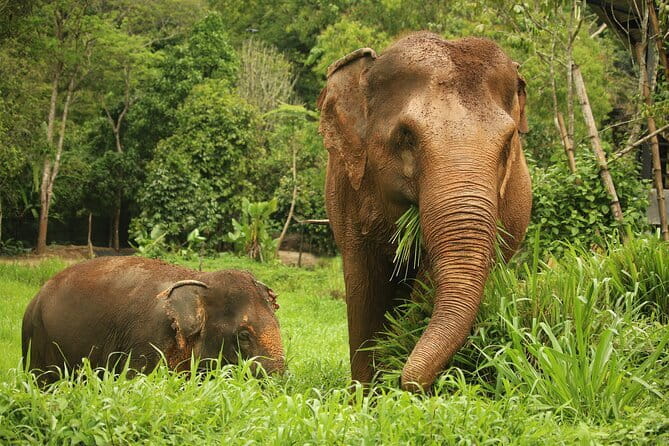
- Roam-and-observe elephant viewing in the jungle and at watering holes, with no bathing or touching
- Vitamin ball prep with the mahouts (you help make the elephants’ food, in an approved way)
- Elephant dung recycling center education to show how the sanctuary handles waste responsibly
- Thai cooking class demo and lunch included, so you leave fed and informed
- Small, organized sanctuary feel, with people praising the cleanliness and how smoothly it runs
Ethical Elephant Encounters Without Riding or Bathing
This tour is built around one simple idea: elephants deserve a day that looks like their day, not ours.
You don’t do the usual crowd-pleasers like riding, bathing, or touching. Hand feeding is also not permitted. Instead, you watch elephants in their space—free to wander, graze, and pause where they want. In the reviews, that hands-off approach gets called out again and again because it keeps your experience respectful while still feeling close enough to notice personalities: calm walkers, curious lookers, and elephants that simply do elephant things.
That matters for value, too. A lot of elephant “experiences” sell the feeling of contact. Here, you’re paying for education and observation plus a real support role in the sanctuary’s daily routine.
You can also read our reviews of more tours and experiences in Phuket.


What a Half-Day Schedule Feels Like in Phuket Heat
The program runs about 3 hours 30 minutes on the schedule, though many people say the core elephant viewing window feels like a tighter around 90 minutes. That’s helpful because Phuket can be intense—hot, humid, and sweaty-fast.
What you’ll notice as you go through the day is that the timing is designed to keep you active and learning without turning it into an all-day endurance event. You’ll also want to treat this like a sun-and-sweat outing even if you start later: wear comfortable shoes (not flip-flops), and pack a hat and sunglasses since those aren’t included. Water is provided, but if you prefer your own bottle for refills, bring one—your refill station water is included, yet having your own bottle can make it easier.
If you’re coming from a beach day or doing this during peak midday heat, plan your day so you’re not already dehydrated when you arrive.
Jungle and Watering Holes: How Close You Really Get
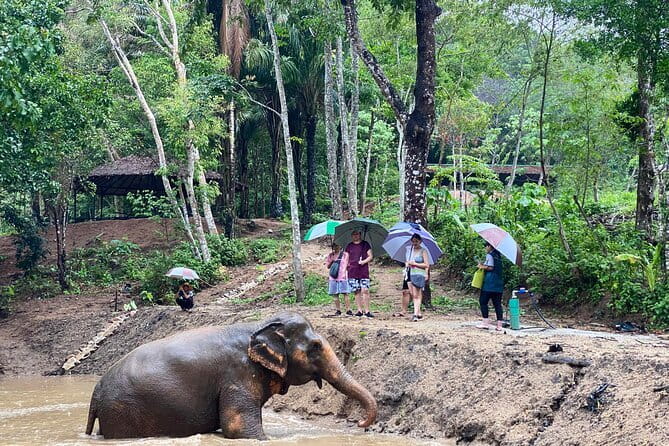
This isn’t a drive-by safari and it isn’t a zoo feed-frenzy either. You’re there to observe and photograph elephants in the jungle and at natural water ponds and features.
So what does “close” mean here? Close enough that you can see behavior clearly—how elephants use space, how they move, and how they interact with the environment. But it’s still a sanctuary: you’re not stepping into their comfort zone to touch them. No sneaking for selfies, no forced posing. You’ll be educated on what you’re seeing as you watch.
In practical terms, that’s what makes the experience feel ethical instead of performative. You’re learning how the sanctuary supports rescued elephants who may not live independently the way wild elephants do, while keeping the day focused on their wellbeing rather than your access.
Mahout-Led Vitamin Balls: A Hands-On Role That Stays Ethical
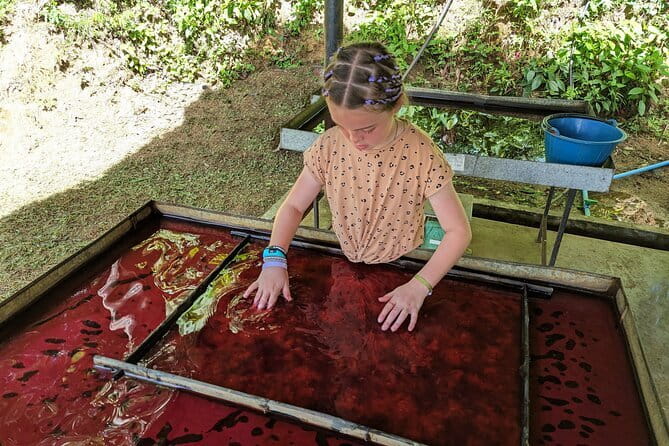
One of the most praised parts is helping make the elephants’ vitamin balls with the mahouts.
This is the sweet spot for people who want to do more than stare quietly. You’re involved in the feeding process, but you’re doing it through the sanctuary’s rules—no grabbing at the animals, no hand feeding, and no breaking the boundary between you and them. It’s participatory in the way cooking classes are: you can be hands-on, learn the steps, and contribute without turning it into contact.
A detail that’s especially valuable here is the education around why the sanctuary limits interactions. In multiple reviews, people mention how the tour explains why practices like bathing and riding are cruel in the context of elephant welfare. Even if you already know the basics, this gives you a clearer framework you can use when you’re comparing other elephant attractions in Thailand.
If you like workshops and practical learning, you’ll likely enjoy this part the most.
The Dung Recycling Center Lesson You’ll Remember

Yes, you’ll learn about elephant dung recycling, and yes, it’s exactly as educational as it sounds.
In a lot of animal tours, poop is ignored. Here, it’s treated like a real part of sanctuary life—handled responsibly, not hidden. The education center gives you a look at how the sanctuary manages waste as part of maintaining a healthy environment for the elephants and for the people working there.
This is one of those moments that changes how you judge a facility. If a place has a plan for everything—including waste—then it’s usually built to run as a sanctuary, not a tourist set.
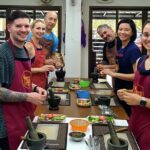


Thai Cooking Demo and Lunch: Food That Complements the Day
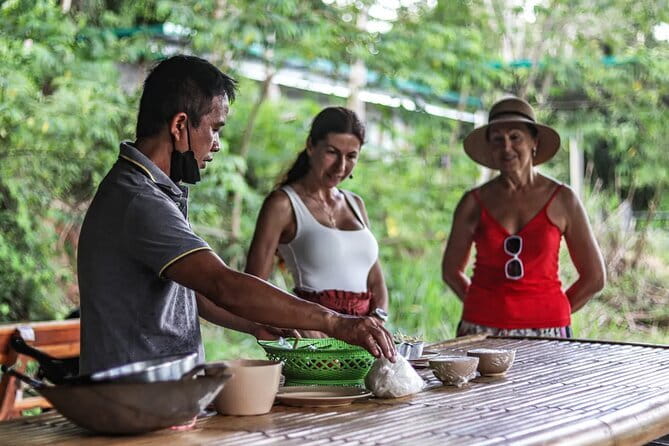
Here’s a smart piece of planning: you don’t just do elephants; you also do Thai cooking.
After the briefing and elephant food prep, the schedule includes a Thai cooking session and a lunch that’s connected to the lesson. One review notes the day started at 13:00 and the first hour was a Thai cooking class, followed by lunch featuring what was learned. Even if your exact start time varies, the structure is consistent: cooking demo first, then you eat.
The value is twofold. First, it’s included in the price, so you aren’t guessing whether you’ll find something nearby that won’t wreck your budget. Second, cooking makes the day feel more cultural, not just animal-focused. When you leave, you’ll have both a story about elephant ethics and something you can recreate later.
Guides, Explanations, and How the Tour Stays Clear
A sanctuary visit lives or dies on explanation. Several reviews highlight tour guides by name—Tom, Dong, and Steve—and they’re praised for clear, enthusiastic teaching.
That matters because you’re following sanctuary rules while trying to understand elephant behavior you might not know how to read. Good guides help you notice what’s going on: feeding behavior, movement patterns, and how to understand the sanctuary’s mission without getting lost in jargon.
If you’re the type who likes asking questions, this is a format where you can do that. You’ll get the chance to learn why the elephants are allowed to roam, why there’s a hands-off policy, and why the sanctuary model is different from entertainment attractions.
What’s Included (And Why It’s Better Value Than It Looks)
At $39.11 per person, you’re not only paying for a view. The program includes:
- Thai cooking class demo and lunch
- Elephant jungle nature observation
- Meet and feed the elephants with a hands-off approach
- Elephant dung recycling center (half-day program only)
- Making vitamin balls (half-day program only)
- Water
- A tour guide
- Insurance
And here’s the part people often miss when they’re comparing tours: transport is not included. So if you’re calculating value, you need to add only your local ride cost (or whatever public transportation plan you’re using). Still, the inclusion list is strong. Cooking plus a guided ethical sanctuary visit is a lot to pack into one half-day.
Also, this isn’t a ride-and-bathe style experience, which usually costs more elsewhere. Here, the “interaction” you get is learning + approved participation. For many people, that’s the entire point—and the reviews’ 100% recommendation rate reflects that.
Practical Tips Before You Go (So You’re Comfortable)
You don’t need special gear, but you do need the right basics:
- Wear comfortable shoes (you’ll be walking and standing)
- Bring hat and sunglasses (not included)
- Use the included water, and consider bringing your own bottle for refills
- Expect hot, humid weather, especially if you get outside for jungle observation
And one more practical note: this tour uses a mobile ticket, so have your confirmation accessible on your phone.
If you’re sensitive to heat, plan your morning so you’re not already drained. If you’re coming with kids, this is a good choice because the day teaches elephant welfare in a way that doesn’t rely on frightening or overstimulating them.
Who This Tour Suits Best (And Who Might Want Something Else)
This is a great fit if you want:
- An ethical elephant experience with no touching or bathing
- A day that includes real learning—about sanctuary care and elephant welfare
- A half-day schedule that fits better than longer elephant programs in the heat
- A bonus cultural activity with Thai cooking and lunch
You might consider a different type of animal attraction if what you most want is physical interaction or guaranteed up-close contact. This sanctuary is very clear about boundaries, and your experience will follow those rules.
Should You Book Phuket Elephant Nature Reserve?
I’d book this if you care about doing elephants right and you want your money to support sanctuary care rather than entertainment. The combination of hands-off elephant observation, the vitamin ball workshop, the dung recycling center education, and the Thai cooking class with lunch makes it feel like a full experience even though it’s only a half-day.
Also, it’s a smart value for the amount included—especially if you factor in that you’re not paying extra for the food and guide time separately. Just go prepared for warm weather, wear proper shoes, and don’t expect bathing or touching.
If you want the type of elephant day you can feel proud about afterward, this is the kind of tour you’ll likely recommend to your friends.
FAQ
How long is the Phuket Elephant Nature Reserve half-day experience?
It’s listed at about 3 hours 30 minutes (approx.) for the half-day program.
What’s included in the price?
The package includes a Thai cooking class demo and lunch, elephant jungle observation, hands-off elephant feeding, elephant dung recycling center access (half-day only), vitamin ball making (half-day only), water, a tour guide, and insurance.
Can I bathe, touch, or hand feed the elephants?
No. Bathing, touching, and hand feeding are not permitted.
Is transportation included?
No. Transport is not included.
Do I get a mobile ticket?
Yes. A mobile ticket is included.
Is the tour suitable for most travelers?
Yes. The tour notes that most travelers can participate.
Is there free cancellation?
Yes. You can cancel up to 24 hours in advance for a full refund.