REVIEW · PHUKET
Phuket: Eco Guided Tour at Elephant Sanctuary
Book on GetYourGuide →Operated by Patong Hill Tribe Elephant Village – Ethical Elephant Sanctuary Phuket · Bookable on GetYourGuide
Elephants deserve a calmer kind of visit. I like how this tour pairs an expert briefing on mahouts and captive-vs-wild elephant care with a hands-on moment making herbal vitamin balls. One thing to weigh: the elephant time is brief, so it’s more about learning and a gentle feed than long observation.
I also appreciate the clear ethics on the ground: no forced bathing or mud play, and the elephants follow their own rhythm in a natural-feeling setting. You’ll walk through the sanctuary, prepare the treat with your guide, then feed the elephants your handmade snack. Bring comfortable walking shoes, plus a hat, sunscreen, insect repellent, and a reused bottle for water.
In This Review
- Key highlights in plain terms
- A 30-minute guided visit focused on elephant care (not a show)
- How ethical elephant tourism works here: calm rules matter
- The herbal vitamin balls workshop: what you’ll make and why it’s included
- Walking the sanctuary to meet and feed elephants in a natural setting
- Captive vs wild elephants: the context your guide brings before you see them
- Mahouts, hill tribe traditions, and how care gets passed down
- The short van ride and round-trip drop-offs: planning your day in Phuket
- Price and value: is $32 worth it for what you get?
- What to bring (and what not to do) for a smooth experience
- Who should book this tour, and who should skip it
- Should you book Phuket: Eco Guided Tour at Elephant Sanctuary?
- FAQ
- How long is the Phuket Eco Guided Tour at Elephant Sanctuary?
- Is round-trip transportation included?
- What activities are included in the tour price?
- Is a meal included?
- Are cameras allowed during the tour?
- What should I bring for the tour?
- Where will I be dropped off after the tour?
- Is this tour wheelchair accessible?
- What cancellation and booking options are available?
Key highlights in plain terms
- Expert-led briefing on daily care and what a mahout actually does
- Herbal vitamin ball workshop you can participate in, not just watch
- Hands-on feeding with your own treats, in a respectful way
- Captive vs wild elephant context that helps the experience make sense
- Sanctuary rules that avoid forced bathing and mud play
- Round-trip transfers to many Phuket-area beach locations (if you select that option)
A 30-minute guided visit focused on elephant care (not a show)
This is an eco guided sanctuary experience built around short, meaningful interactions. The activity time is listed as 30 minutes, which matches the feel of the tour: you get a focused briefing, a practical hands-on task, then you’re off to meet the elephants. If you’ve been craving a quick stop before leaving Phuket, this format makes a lot of sense.
The tour also fits well if you don’t want chaos around animals. The emphasis is on expert guidance and quiet, respectful behavior, rather than trying to pack in photos and tricks. You’ll still get an up-close moment, but it’s designed around care and learning.
You can also read our reviews of more guided tours in Phuket



How ethical elephant tourism works here: calm rules matter
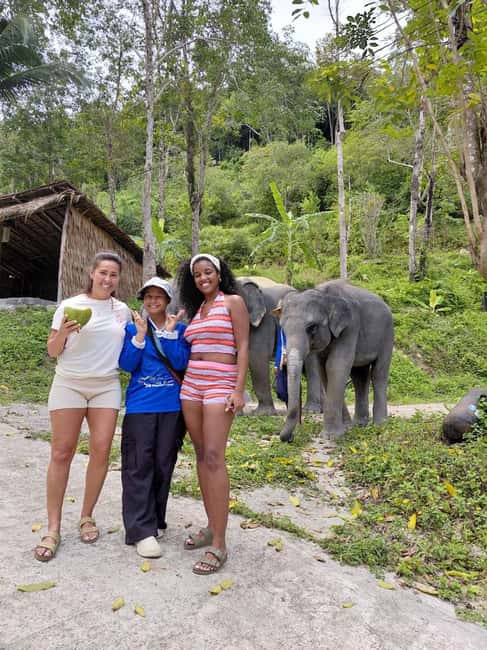
One of the strongest reasons to consider this sanctuary is the way it treats elephant behavior as the priority. Hill Tribe Elephant Village doesn’t allow forced bathing or mud play, which changes the whole vibe. It’s not about putting on a performance for humans; it’s about letting elephants do what they want.
You’ll hear why those kinds of interactions are off-limits. The goal is to respect natural behaviors and reduce stress, so the elephants can spend their day under care without being pushed into human entertainment. In practical terms, that also means the experience feels more grounded and less staged.
During the briefing, your guide shares how elephants are cared for daily, and how mahouts fit into that routine. Understanding that caretaking relationship helps you interpret what you’re seeing—especially because captive environments can look very different from wild ones.
The herbal vitamin balls workshop: what you’ll make and why it’s included
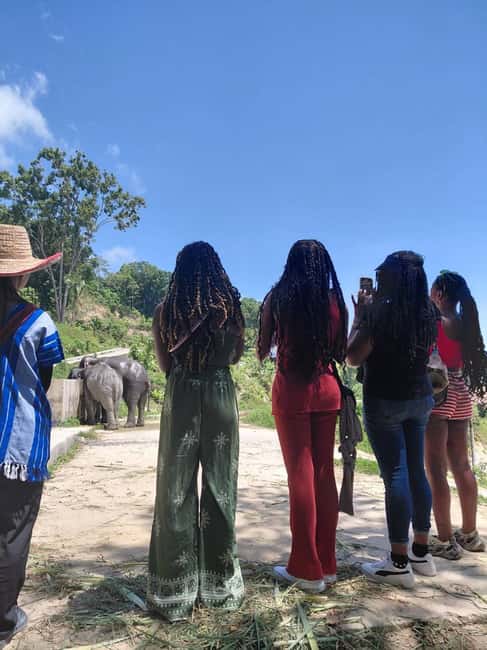
A big part of this tour is hands-on: you prepare the elephants’ favorite herbal vitamin balls. Instead of a vague “we feed them something,” you’ll actually participate in the food preparation portion of the program. It’s a short workshop, but it gives you a way to connect elephant health with everyday nutrition.
These treats are made from natural ingredients aimed at supporting digestion and general well-being. That matters because it shifts the feeding moment from a souvenir photo to something you understand a bit better. When you’re holding the treat you made, you’re not just participating in an activity—you’re learning a small piece of elephant nutrition.
You’ll also get explanations from your team about elephant nutrition and care, which helps you ask better questions later (like what elephants typically eat and why certain ingredients are used). Even if you’re not a nutrition expert, you leave with a more respectful, informed mindset.
Walking the sanctuary to meet and feed elephants in a natural setting
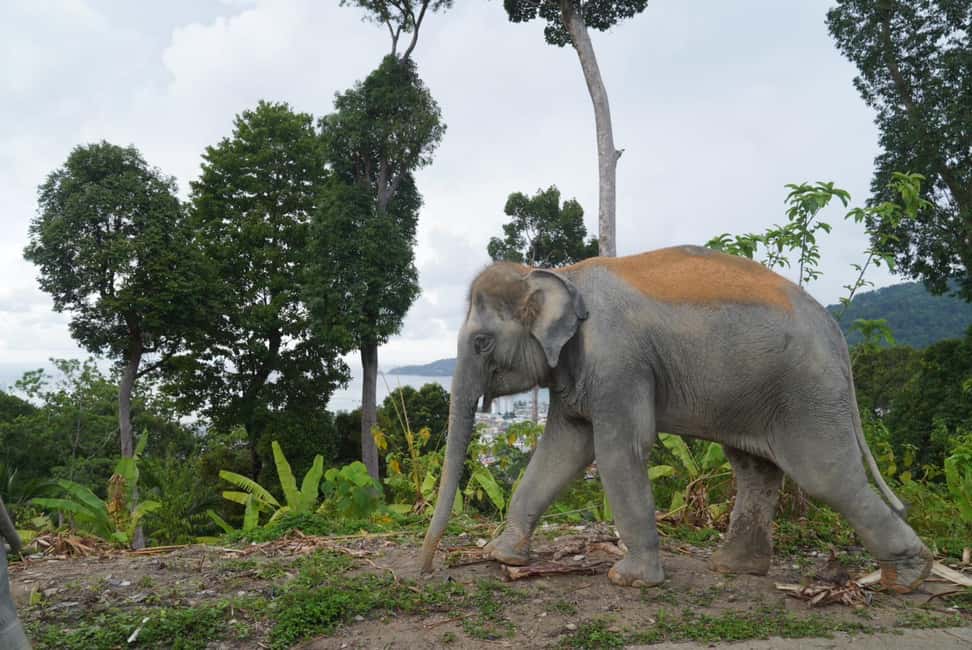
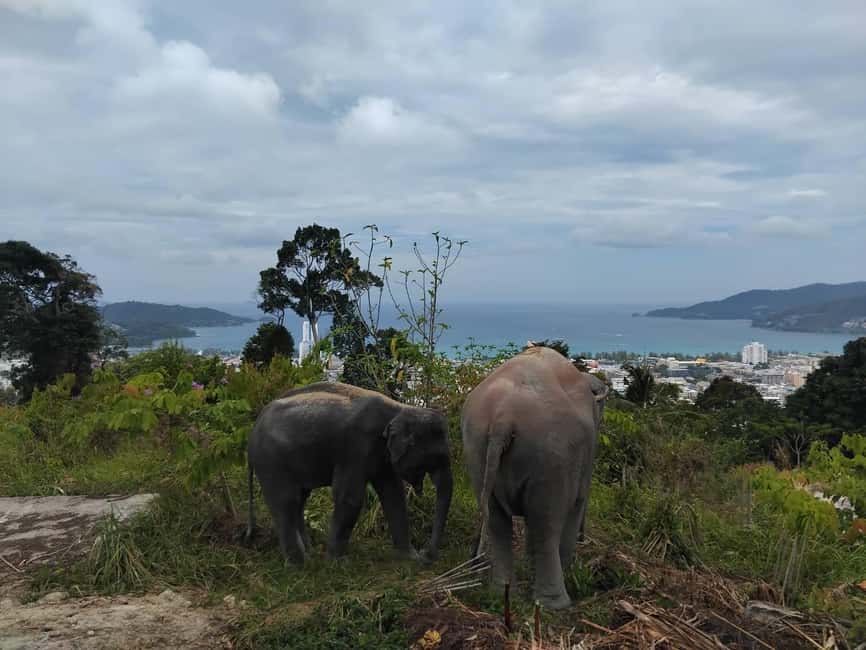
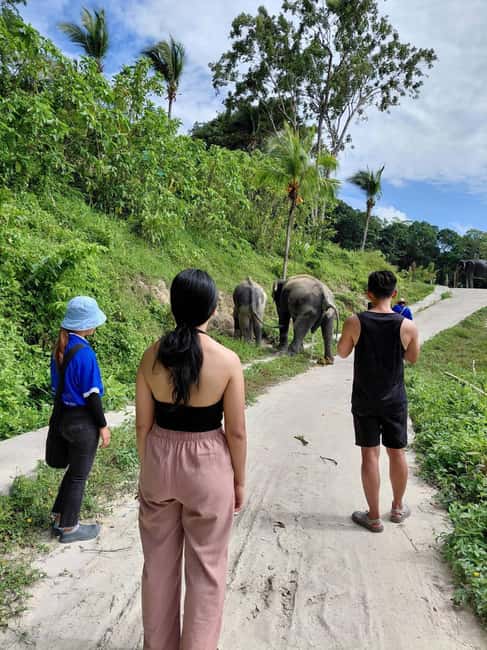
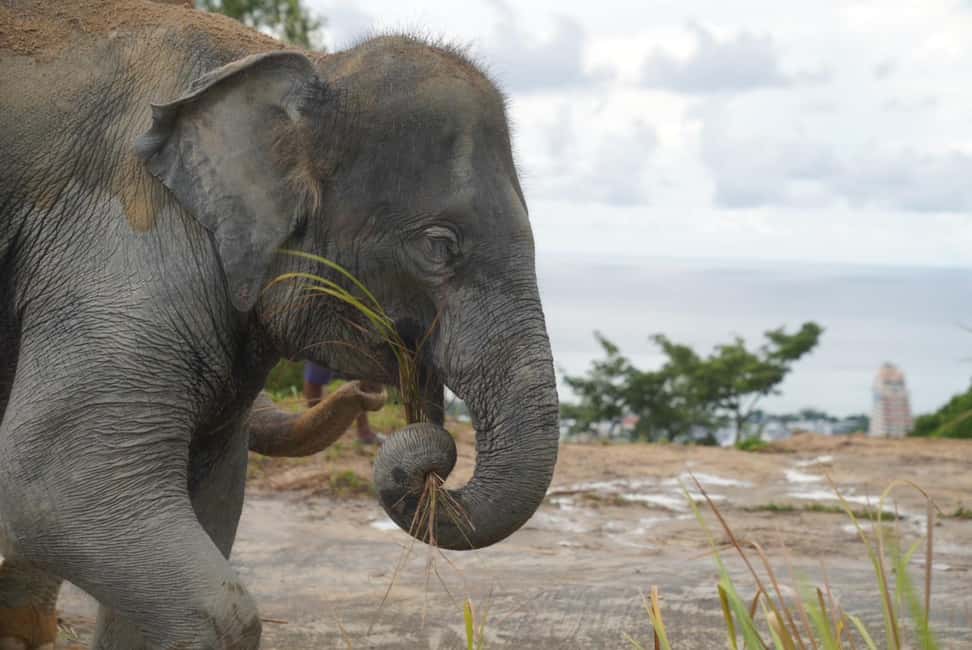
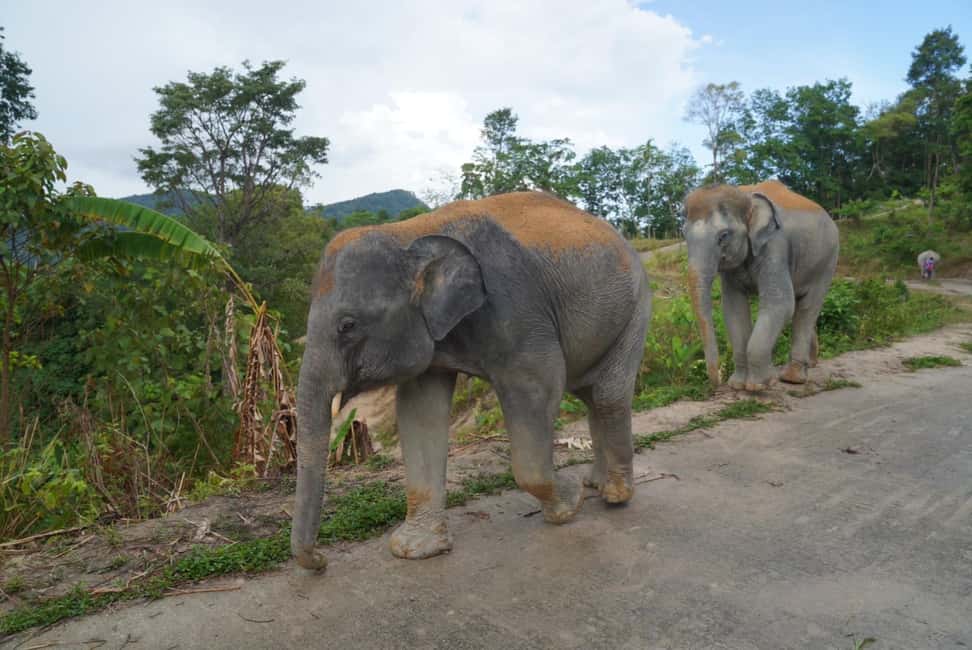
After the briefing and the herbal workshop, you’ll meet the elephants and feed them the handmade treats. The walk through the sanctuary is part of the experience, and it’s built around the idea of natural setting and natural pace. You’re not rushed from one forced photo op to the next.
Feeding is also framed as a calm interaction. You’ll be asked for respectful and quiet behavior around the elephants, and the rules clearly state that forced interactions aren’t allowed. That means you should expect a gentle rhythm: watch what the elephants do, follow your guide’s cues, and keep your movements controlled.
Photography is allowed, but flash photography isn’t permitted. That’s another detail that supports calmer conditions for the animals. If you love taking pictures, plan on using available light and keeping your camera ready without blasting flashes.
Captive vs wild elephants: the context your guide brings before you see them
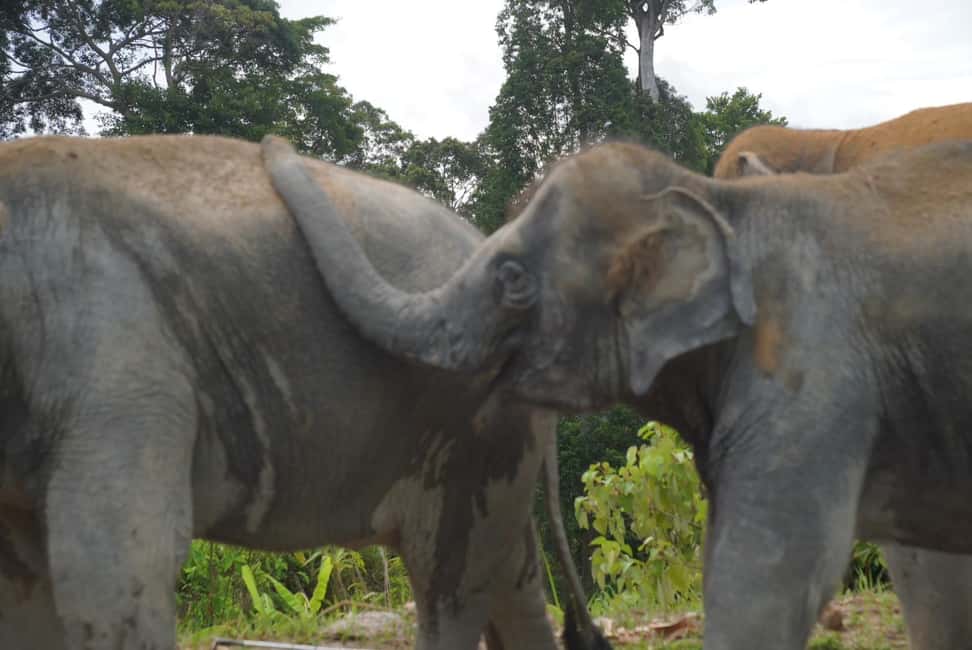
A key part of this tour is understanding differences between wild and captive elephants. The elephant care you’ll witness isn’t just “what happens with elephants”—it’s a system shaped by human caretaking, safety, and daily routines.
Your guide explains what daily life can look like in a captive environment and how that differs from wild behavior patterns. You’ll also learn how elephants interact with their mahout caretakers, which is a major theme throughout the briefing. This context helps you avoid the common mistake of judging captivity only by how it looks in the moment.
Even within a sanctuary, elephant behavior matters. The sanctuary’s approach—no forced bathing, no mud play—aims to protect elephant agency and reduce stress. When you understand that, the experience becomes less about spectacle and more about responsible care.




Mahouts, hill tribe traditions, and how care gets passed down
One of the most interesting angles is the human side of elephant care. This program shares that hill tribe families from Mae Wang, Chiang Mai have settled in Patong, Phuket, continuing their traditional elephant care practices. That’s a real cultural thread, not just a marketing line.
The role of the mahout caretakers is central to what you learn. A mahout isn’t only there to “handle” elephants; they support daily care routines that help elephants stay healthy and comfortable. Your guide connects those routines to the elephants’ needs and explains what to pay attention to during the sanctuary walk.
In addition, the briefing covers why certain experiences are not allowed. That includes the sanctuary’s strict stance against forced bathing and mud play. When you hear the reasoning before you see the rules in action, you’ll feel more confident about what’s happening and why.
The short van ride and round-trip drop-offs: planning your day in Phuket
Most people will combine this with other Phuket plans, so timing matters. Pickups depend on your selected option, and the van ride is listed at about 30 minutes. Then you get the guided tour component, also listed at 30 minutes. After that, there are drop-offs across multiple beach and pier areas.
The drop-off list includes places such as Kata Beach, Bang Tao Beach, Ao Po Pier, Laem Hin Lagoon Pier, the Village Coconut Island ferry crossing, Karon Beach, Rawai Beach, Panwa Beach Side Beachfront, and Hill Tribe Elephant Village. If you’re staying on the west coast (like Kata or Karon) or the south/east side (like Rawai or Panwa), this routing can reduce hassle.
So here’s the practical tip: treat this as a short, half-day-feeling errand that still has real meaning. If you try to pack it right between long beach transfers and late-night dinner plans, you might feel rushed. Give yourself a little buffer so you can actually listen during the briefing.
Price and value: is $32 worth it for what you get?
At $32 per person, this tour is priced like a quick, focused experience rather than a big all-day production. The value comes from the combination: expert guidance, a hands-on herbal preparation activity, and a guided feeding moment that follows ethical rules.
You’re not paying mainly for “access to elephants.” You’re paying for interpretation—captivity vs wild context, mahout care, and the nutrition rationale behind the treat. The hands-on herbal vitamin ball step is also a real differentiator. You’ll participate, not just stand and watch.
What’s included helps keep the cost reasonable. The tour includes the herbal food preparation activity, feeding elephants, drinking water (bring a reused bottle), insurance, and round-trip transfers if you choose that option. A meal isn’t included, so plan for a snack or meal before or after.
For $32, I see it as a good match if you want education plus a respectful encounter without spending hours. If you want a slow, deeply detailed day where you observe every behavior for a long time, you may find this too short.
What to bring (and what not to do) for a smooth experience
This tour runs on basic comfort and good behavior. Wear comfortable shoes because you’ll be walking through the sanctuary area. Add a hat and sunscreen, because it’s Phuket and the sun doesn’t wait for anyone. Insect repellent is also recommended.
Bring a camera, but remember flash photography isn’t allowed. Also expect that you’ll need to move quietly and respect space around the elephants—no sudden gestures and no trying to “add your own” interaction.
If you want the experience to feel meaningful, focus on paying attention during the briefing. The more you listen when the guide explains elephant daily care and nutrition, the more your feeding moment makes sense afterward.
Who should book this tour, and who should skip it
This is a strong fit for people who care about animal welfare standards and want education, not a gimmick. It also works well for anyone who’s short on time but still wants a hands-on moment—especially the herbal vitamin ball workshop plus feeding.
It’s not suitable for pregnant women. It’s also listed as wheelchair accessible, but it notes it isn’t suitable for people with mobility impairments. If you fall into that category, it’s worth double-checking with the operator so you don’t get surprised by physical requirements.
Skip it if you have animal allergies. And if you’re hoping for forced interactions like bathing or mud play, this isn’t that kind of tour—those activities are not allowed here.
Should you book Phuket: Eco Guided Tour at Elephant Sanctuary?
Book this tour if you want a short, ethical elephant sanctuary experience with real learning built in. The best reason is the combination of an expert briefing plus hands-on herbal vitamin ball preparation and feeding, all under rules that protect elephant behavior. It’s also a good value at $32 because the experience isn’t just access—it’s education and respectful interaction.
Don’t book if you need a long observation session, or if you strongly prefer activities like bathing/mud play (those aren’t offered). Also consider your comfort with basic walking and sun exposure.
If you want a calm, guided way to understand elephant care in Phuket before you move on, this is the kind of stop that leaves you with something more than photos.
FAQ
How long is the Phuket Eco Guided Tour at Elephant Sanctuary?
The guided tour duration is listed as 30 minutes.
Is round-trip transportation included?
Round-trip transfers are included if you select the option that offers transfers.
What activities are included in the tour price?
You’ll do herbal food preparation, feed the elephants, and receive drinking water. Insurance is also included.
Is a meal included?
No meal is included.
Are cameras allowed during the tour?
Yes, cameras are allowed, but flash photography is not permitted.
What should I bring for the tour?
Bring comfortable shoes, a hat, a camera, sunscreen, insect repellent, and a reused bottle for water.
Where will I be dropped off after the tour?
Drop-offs can include areas such as Kata Beach, Bang Tao Beach, Ao Po Pier, Laem Hin Lagoon Pier, the Village Coconut Island ferry crossing, Karon Beach, Rawai Beach, Panwa Beach Side Beachfront, and Hill Tribe Elephant Village (depending on your selected option).
Is this tour wheelchair accessible?
It’s listed as wheelchair accessible, but it also notes it is not suitable for people with mobility impairments.
What cancellation and booking options are available?
You can cancel up to 24 hours in advance for a full refund, and there’s a reserve now & pay later option listed.