REVIEW · PHUKET
Kata Beach Diving for Beginners Pool Training and 1 Beach Dive
Book on Viator →Operated by Phuket Dive Tours · Bookable on Viator
Breathing underwater is easier with coaching. This beginner scuba day in Phuket pairs pool training with reef time off Kata Beach, guided by instructors who break things down until they click. I also love the payoff: guided viewing of tropical fish, colorful corals, and even sea turtles in shallow, beginner-friendly water.
One thing to consider before you book: you should be ready for a sand trek. You may need to walk about 50m across the beach wearing your gear to enter the water, so bring a calm pace and comfy beach shoes for the transfer.
In This Review
- Key Highlights to Know Before You Go
- Your First Day of Scuba Skills in Phuket (Without Pretending You’re a Pro)
- Getting There: Pickup, Port Timing, and the Koh Racha Yai Part
- Pool Training That Actually Prepares You
- The Ocean Session Off Kata Beach: What You See and What You Practice
- Equipment and Comfort: Why the Included Gear Matters for Value
- Meals, Breaks, and Keeping Your Energy Up
- Who This Tour Fits Best (And Who Might Want Something Else)
- The Price: Why $114 Feels Reasonable for What You Get
- What to Expect Day-of: Small Things That Affect Your Experience
- Should You Book This Kata Beach Beginner Scuba Day?
- FAQ
- How long is the beginner scuba experience in Phuket?
- Do I need to be certified to take part?
- What training do I do before getting into the water?
- Where does the ocean experience happen?
- What equipment is included?
- Is lunch included, and are there vegetarian options?
- Where do pickups happen?
- What age limits apply?
Key Highlights to Know Before You Go

- Pool-first confidence: skills practice before you’re out on the reef.
- Shallow-water reef viewing: colorful marine life off Kata Beach.
- Full equipment included: wetsuit, BCD, mask, regulator, fins—ready to use.
- Small-group feel: maximum of 30 travelers.
- Help for non-strong swimmers: instructors focus on comfort and control.
- Nice rhythm of breaks: lunch and downtime on Kata Beach after the water time.
Your First Day of Scuba Skills in Phuket (Without Pretending You’re a Pro)

This is a “learn the basics” kind of day. You’re not expected to be certified, and you’re not expected to freestyle your way through the ocean. Instead, you’ll get instruction on how scuba gear works and how to stay comfortable while you breathe and move underwater.
What makes this plan work for beginners is the pacing. You start with a controlled pool training session, where you can focus on technique without the added pressure of waves and boat movement. Then you move into the real environment for a guided, shallow reef experience off Phuket’s coast, with plenty of instructor attention.
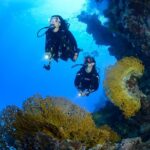
Also, the marine life is the whole point. The day’s set up so you’re not just wearing equipment—you’re using it to see the reef. Expect tropical fish, bright corals, and sightings that can include sea turtles, which is exactly the kind of moment that makes a first-time experience feel like a true Phuket memory.
You can also read our reviews of more scuba diving tours in Phuket
Getting There: Pickup, Port Timing, and the Koh Racha Yai Part
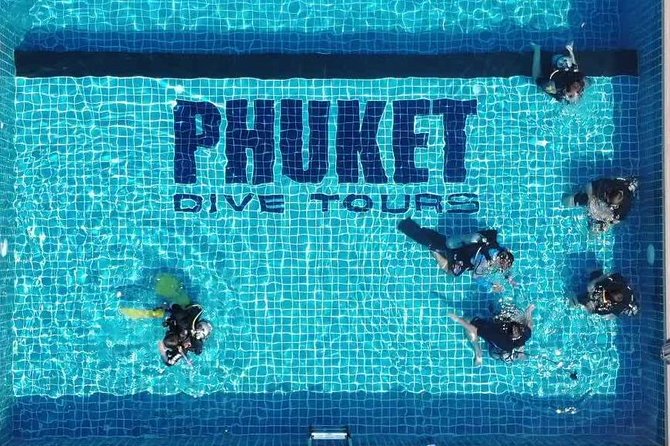
The day runs about 8 hours, and it usually starts with hotel/port pickup. The operator covers pickup for several popular areas like Kamala, Patong, Karon, Kata, Chalong pier, and Rawai, plus it has a listed meeting point around Karon Rd. You’ll also end back at the meeting point at the finish.
Most of your day is structured around getting you to good water while keeping beginners safe and calm. After pickup, you head to the water area and sail out. One described route includes sailing to Koh Racha Yai, where you’ll do two open-water sessions with a certified instructor.
If you’re wondering how that fits with Kata Beach: the reef viewing goal clearly centers on the Kata Beach area. So the “boat to the right water” piece and the “shallow reef experience” piece are both part of the same beginner-friendly flow. Either way, your instructor does the heavy lifting—briefing you before you get into the water and guiding you during the sessions.
Pool Training That Actually Prepares You
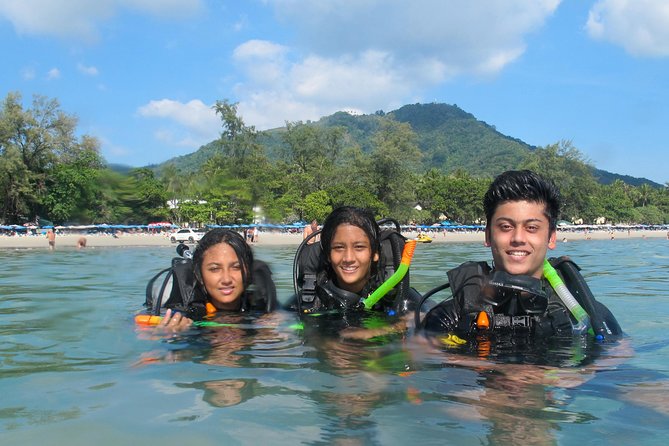
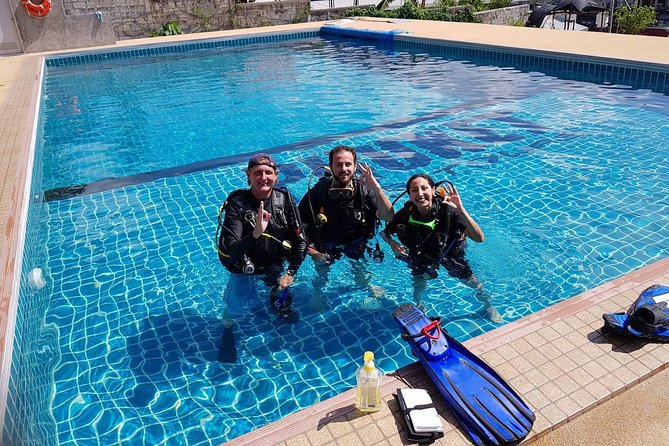
The pool session is where beginners usually breathe easier—sometimes literally. The goal isn’t fancy movements. It’s learning how to control your breathing, your buoyancy, and your gear so you don’t fight the equipment.
From real feedback, one common issue is realizing you’ve been holding your breath. That’s normal for first-timers. A good instructor will catch it early and coach you back into a steady rhythm. This is also where you learn how to communicate and move without panicking.
Another key benefit: pool training helps you build comfort in the body position. When you later see real fish and coral, you’ll spend less mental energy on basic control and more on what’s around you.
In past sessions, instructors including Sky and Tim have been praised for patience and clear teaching. Other names that came up include David and Gan, and the theme is consistent: instructors slow down, explain what you’re doing, and keep it practical—especially for people who aren’t strong swimmers.
The Ocean Session Off Kata Beach: What You See and What You Practice
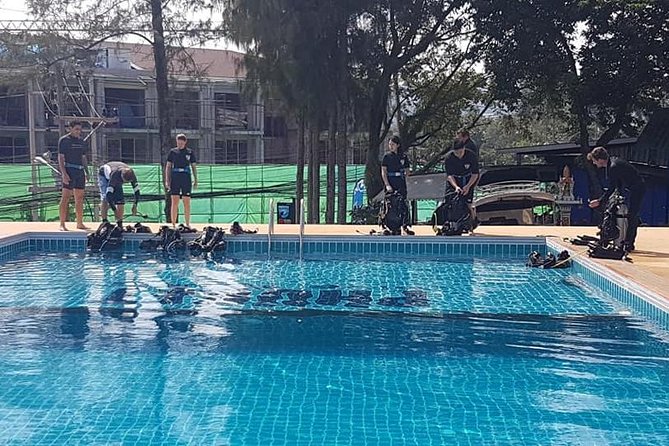
After the pool, you move into the shallow reef environment off Kata Beach. This is where the day changes from skills practice to “this is amazing” mode.
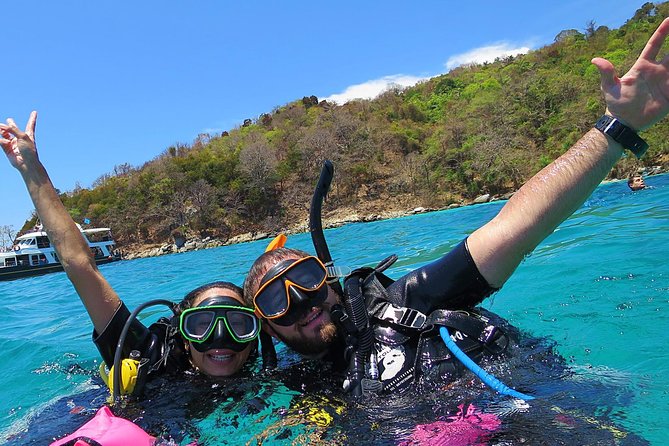
You’ll be underwater with a certified instructor guiding you through what to watch and what to do. The goal for beginners is not max depth or advanced maneuvers. Instead, you’re there for manageable conditions and a chance to see marine life close to the surface.
You can expect:
- Tropical fish moving through coral areas
- Colorful reef growth
- The possibility of spotting sea turtles
- The kind of calm, slow underwater moments that make your brain finally stop racing
A practical detail worth knowing: getting into the water can involve a gear walk. One reported requirement is about 50m across the beach while wearing scuba gear. The good news is that you’re doing it on sand before you’re in the water, and the crew has practical setup like an outdoor shower and drinking water available.
For some people, the scariest part is the first few minutes underwater. That’s why the instructor guidance matters. With the right coaching, beginners can feel stable fast.
Equipment and Comfort: Why the Included Gear Matters for Value
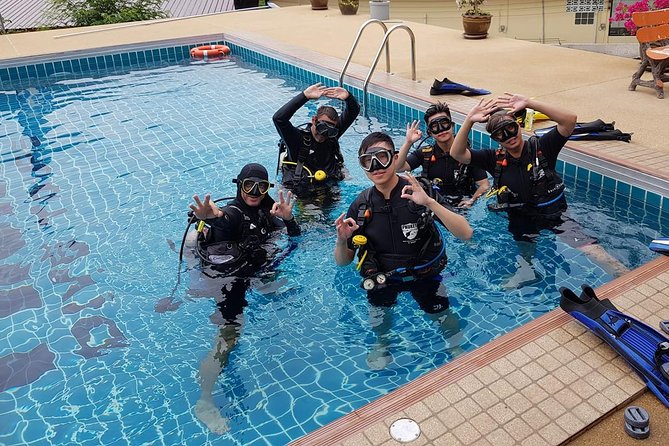
This experience includes full scuba equipment: wetsuit, buoyancy control device (BCD), mask, regulator, and fins. That’s a big value point because scuba gear rental elsewhere can be a hidden cost.
It also affects your day quality. When the gear is included, you’re not scrambling for the right kit size at the last second. And you’re using the setup your instructor expects you to use, which makes training smoother.
Wetsuit comfort is also worth thinking about in Phuket. Even in warm weather, a wetsuit can help you feel better underwater and handle the time in the water without getting chilled. The rest of the equipment also needs to fit well—mask seal, comfortable regulator position, and fins that don’t fight your legs.






Meals, Breaks, and Keeping Your Energy Up
You’ll get breakfast, lunch, snacks, and water, plus tea and coffee. That’s a real plus for a full-day plan, because scuba learning burns mental energy and adds physical effort.
Lunch is included, and there are vegetarian options available. After you’ve done your training and reef time, having food on board (and time to sit on Kata Beach) makes the day feel complete instead of rushed.
This also helps with the post-water slump. Even if you felt fine underwater, it’s normal to feel tired after. Eating, drinking, and getting some rest keeps your day from turning into a long recovery.
Who This Tour Fits Best (And Who Might Want Something Else)
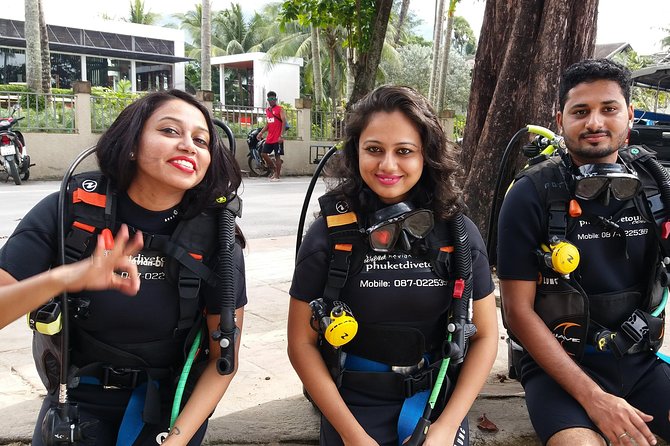
This is designed for non-certified beginners. If you’ve never used scuba gear before, this is a strong choice because it builds you from the pool up to open water guidance.
It’s also a good fit if you’re:
- Curious about seeing marine life without doing a full certification course
- Nervous but willing to practice skills with patient instruction
- Looking for a structured, safety-first introduction with scuba insurance included
One caution: you should have moderate physical fitness. That matters mainly because of the time on boats, movement on the beach with gear, and the general effort of getting comfortable in a wetsuit and equipment.
If you’re someone who can handle walking on sand and listening to coaching, you’re likely in the right place. If you can’t manage a 50m gear walk or you’re worried about beach-to-water transfers, you might want to look for a different style of experience or ask the operator what the shore entry is like for your date.
The Price: Why $114 Feels Reasonable for What You Get
At about $114 for roughly an 8-hour experience, the price lands in the “good value” zone mainly because so much is bundled:
- Full scuba equipment
- Certified instruction
- Scuba diving insurance
- Hotel/port pickup and drop-off for several areas
- Two meals plus snacks and drinks
For beginners, the hidden cost is usually gear + instruction time + transportation. Here, those pieces are already part of your day. You’re paying for a structured learning environment plus the chance to see marine life off Kata Beach.
Not included items are mostly the extras: souvenir photos (sold in cash) and alcohol (also sold in cash). If you skip those, your budget stays predictable.
What to Expect Day-of: Small Things That Affect Your Experience
Here are a few practical expectations that can make the day smoother.
First, confirm your pickup area. The operator notes free pickup for specific locations, and extra charges may apply outside those listed zones.
Second, bring your attention to breathing and relaxation. Multiple beginner lessons tie to the same theme: people accidentally hold their breath at first. If you remember that up front, you’ll save yourself stress.
Third, treat the beach transfer as part of the experience. Plan to move slowly and steadily with your gear. Wear footwear for the transfer so you’re not negotiating beach grit while trying to stay calm.
Finally, keep your expectations realistic. You’re learning and viewing at the same time. The best beginner mindset is curious, not competitive.
Should You Book This Kata Beach Beginner Scuba Day?
I think this is worth booking if you want your first underwater experience to feel coached, safe, and achievable. The standout strengths are the pool-to-ocean structure and the consistently praised instructor patience—names like Sky, Tim, David, and Gan come up because they focus on comfort and fundamentals.
I’d only hesitate if beach entry with gear feels like a deal-breaker for you. The sand walk is a real consideration, and the day does ask for moderate physical fitness.
If you’re aiming for a first-timer moment in Phuket—seeing colorful reefs, tropical fish, and the chance of sea turtles—this day has the right mix of training and wonder. Book it when the weather is cooperating, bring a calm attitude, and let your instructor handle the pace.
FAQ
How long is the beginner scuba experience in Phuket?
It’s about 8 hours (approximately).
Do I need to be certified to take part?
No. This is an introductory lesson for non-certified beginners.
What training do I do before getting into the water?
You do one pool training session first, with instruction and guidance before and during your water time.
Where does the ocean experience happen?
The plan centers on shallow reef time off Kata Beach. The day also includes sailing to Koh Racha Yai as part of the open-water instruction.
What equipment is included?
Full scuba equipment is included: wetsuit, buoyancy control device (BCD), mask, regulator, and fins.
Is lunch included, and are there vegetarian options?
Yes. Breakfast, lunch, snacks, and water are included, and vegetarian lunch options are available.
Where do pickups happen?
Hotel/port pickup and drop-off are available, free for Kamala, Patong, Karon, Kata, Chalong pier, and Rawai. There may be an extra charge outside those areas.
What age limits apply?
Children under 10 years are not included in the activity.